Why Insurance Carriers Are Asking for Infrared Inspections in 2026 and Beyond

In 2026 and beyond, commercial property owners are facing a new reality: insurance carriers are tightening underwriting standards and asking for more documentation around electrical risk.
One document that is increasingly requested? An insurance infrared inspection report.
Across industries — from manufacturing and healthcare to hospitality and higher education — insurers are recognizing that electrical failures remain one of the leading causes of property damage and business interruption claims. As a result, proactive electrical maintenance is becoming a key underwriting factor.
At Assured NDT, we are seeing a significant rise in requests for infrared thermography reports specifically for insurance review, renewal, and risk mitigation purposes.
Here’s why.

Why Insurance Carriers Are Focused on Electrical Risk
Electrical failures account for a substantial percentage of commercial fire losses and large property claims. Common causes include:
Loose electrical connections
Overloaded panels
Aging switchgear
Failing breakers
Transformer overheating
Improper maintenance
From an insurer’s perspective, these failures represent:
High severity losses
Business interruption exposure
Liability risk
Repeat claim potential
Insurance carriers are shifting from reactive claims management to proactive risk prevention.
Infrared inspections provide measurable proof of that prevention.
What Is an Insurance Infrared Inspection?
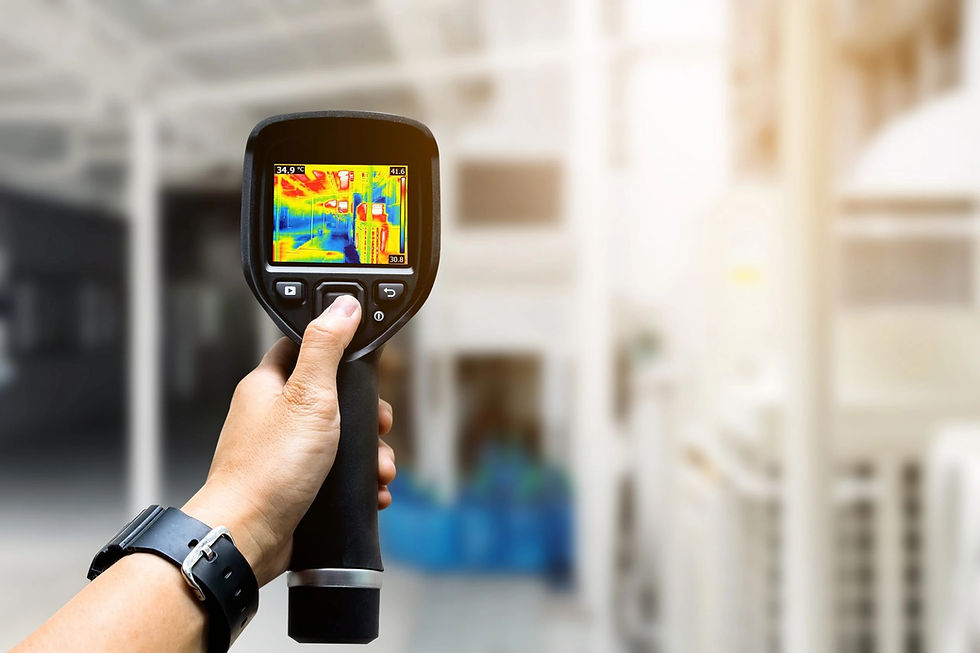
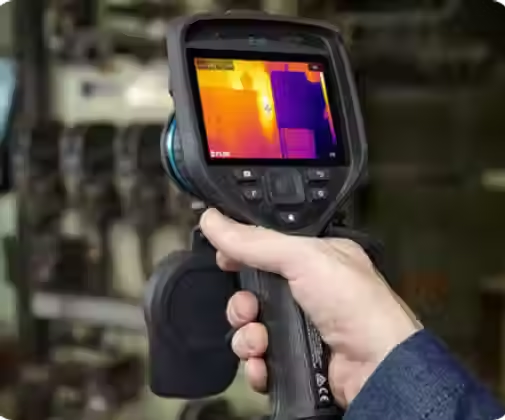
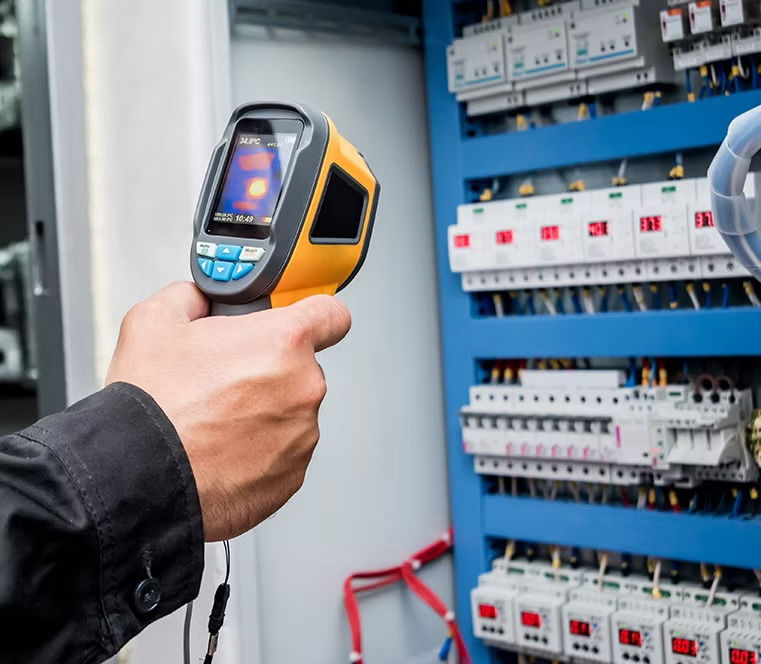
An insurance infrared inspection is a thermal imaging assessment of energized electrical equipment performed to:
Identify overheating components
Detect high-resistance connections
Reveal overloaded circuits
Document system condition
Support underwriting and risk evaluation
Unlike basic visual inspections, infrared thermography detects hidden thermal anomalies inside panels and enclosures before failure occurs.
Why 2026 Marks a Turning Point
Several trends are driving increased insurance scrutiny:
1. Rising Commercial Fire Losses
Carriers are responding to loss trends by requiring stronger risk controls.
2. NFPA 70B (2023) Enforcement
The 2023 update to NFPA 70B made annual infrared inspections mandatory for energized electrical equipment under a condition-based maintenance program.
Insurance underwriters are now aligning policy requirements with this standard.
3. Aging Infrastructure
Many commercial facilities operate electrical systems 20–40+ years old. Insurers recognize this increased failure probability.
4. Increased Business Interruption Costs
Modern facilities depend heavily on uninterrupted power. Even short outages can trigger large financial losses.
How Infrared Reports Help During Insurance Renewal
When a carrier requests documentation, a professional infrared report demonstrates:
✔ Proactive maintenance
✔ NFPA 70B alignment
✔ Risk identification and correction
✔ Asset condition transparency
✔ Reduced likelihood of catastrophic loss
Facilities that provide current infrared reports may experience:
Improved underwriting outcomes
Reduced risk classification
Stronger renewal negotiations
Avoidance of coverage restrictions
Lower deductible pressure
While results vary, documented risk management strengthens your position.
What Insurance-Ready Infrared Reports Should Include
Not all reports are created equal.
An insurance-grade infrared inspection report should include:
Thermal images with temperature data
Delta-T analysis
Severity classifications
Equipment identification
Corrective action recommendations
Documentation of repairs (when available)
Qualified thermographer credentials
At Assured NDT, our reports are structured specifically to support insurance review and compliance documentation.
Industries Seeing Increased Insurance Requests
We are seeing strong demand for insurance infrared inspection reports in:
Commercial office buildings
Multi-tenant commercial properties
High-load and high-occupancy environments face the greatest scrutiny.
The Cost of Not Having an Infrared Inspection
Without proactive infrared documentation, facilities may face:
Higher premiums
Conditional renewals
Mandated corrective actions
Coverage exclusions
Increased deductibles
Greater liability exposure
The cost of one electrical fire or equipment failure often far exceeds the cost of a scheduled infrared inspection.
Why Facilities Choose Assured NDT for Insurance Infrared Inspections
Assured NDT provides:
Certified thermographers
NFPA 70B-compliant inspection protocols
Detailed, insurance-ready reporting
Flexible scheduling to avoid downtime
Nationwide service coverage
Experience working with brokers and risk consultants
We understand the documentation insurers expect — and we deliver accordingly.
Prepare for 2026 Insurance Expectations Now
If your insurance carrier has not yet requested an infrared report, it may only be a matter of time. Proactive facilities are scheduling inspections before renewal season — not after a request arrives.
Contact Assured NDT to schedule an insurance infrared inspection👉 https://www.assuredndt.com/contact
FAQs: Insurance Infrared Inspection
1. Why are insurance companies asking for infrared inspections?
Insurance companies request infrared inspections to reduce electrical fire risk, evaluate system condition, and ensure facilities follow proactive maintenance practices.
2. Is an infrared inspection required for insurance renewal?
Requirements vary by carrier and industry, but many insurers now request infrared inspection reports for high-risk or high-value facilities.
3. Does NFPA 70B impact insurance requirements?
Yes. NFPA 70B requires annual infrared inspections of energized electrical equipment, and insurers are aligning underwriting expectations with this standard.
4. How often should facilities perform insurance infrared inspections?
At minimum annually, in alignment with NFPA 70B. Some insurers may require more frequent inspections based on risk profile.
5. Who is qualified to perform an insurance infrared inspection?
Certified Level II or Level III thermographers with experience in commercial electrical systems and NFPA standards.