
OUR SERVICES
Our nationwide operators come from market specific industry experience resulting in efficient high quality reports and services that meet your internal guidelines and procedures.
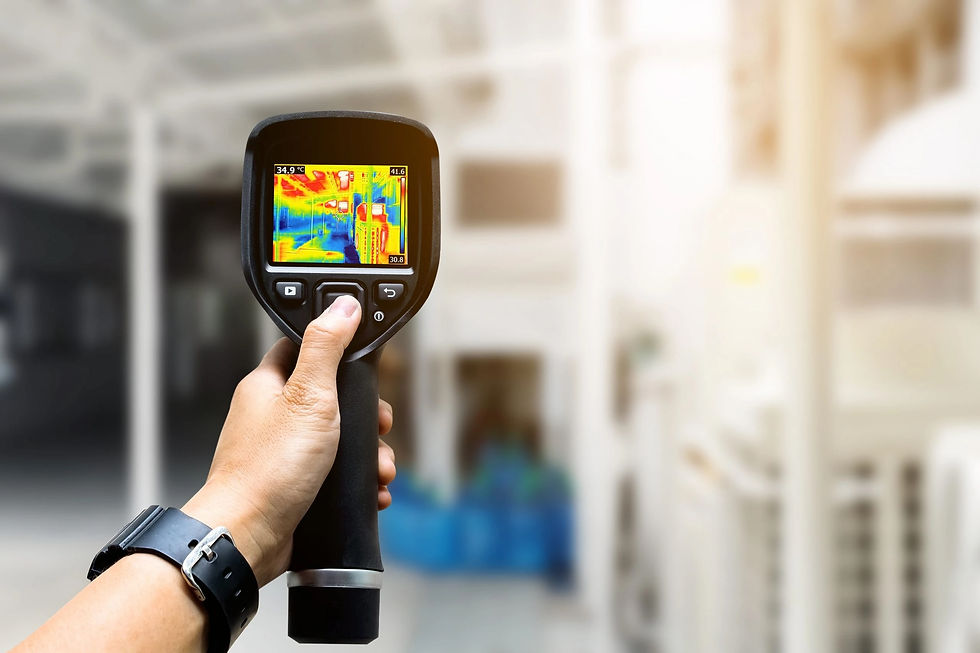
Infrared testing pinpoints problems in building systems to improve equipment longevity and prevent energy waste, electrical outages and fires. The National Fire Protection Association (NFPA 70B) mandates at least yearly infrared electrical testing for all buildings, regardless of age.
Infrared envelope inspections are an essential tool to verify new contraction and evaluate building exteriors for facade integrity and energy loss.
Infrared scans of solar panel systems and wind turbine diagnose problems such as photovoltaic cell degradation and wind turbine blade integrity, monitoring system health to save both energy and money.
Protect your workers and equipment from electrical hazards and comply with OSHA and NFPA 70E.
Arc flash analysis is a comprehensive study of a facility's electrical system to identify and quantify the potential hazards associated with an arc flash incident. It is a critical proactive step that transforms potential electrical dangers into quantifiable risks, enabling organizations to implement targeted safety measures, protect personnel, ensure compliance, and enhance the overall reliability and efficiency of their electrical infrastructure
An electrical maintenance plan (EMP) is a documented system of regular inspections, tests, and servicing for facility electrical equipment. Aligned with standards like NFPA 70B, a proper plan lowers safety risks, prevents unexpected power loss, and extends hardware life
Mechanical inspections use advanced diagnostic techniques, including infrared thermography, to identify wear, misalignment, and overheating in rotating and critical equipment before failures occur.
A roof moisture study utilizes infrared imaging to detect trapped moisture beneath roofing systems, helping identify leaks early and prevent costly structural damage.
Building heat loss inspections use thermal imaging to locate energy inefficiencies, insulation gaps, and air leaks, improving energy performance and reducing operating costs.