
Infrared Thermography vs. Visual Inspections: Why One Isn’t Enough

Visual inspections have long been a standard part of facility maintenance programs. They are simple, familiar, and low cost. However, as electrical systems become more complex and compliance standards tighten, visual inspections alone are no longer enough to prevent failures, fires, and downtime.
This is where infrared thermography becomes essential. Understanding infrared thermography vs visual inspection — and how the two work together — is critical for facility managers, engineers, and safety professionals seeking to reduce risk and meet modern electrical maintenance standards like NFPA 70B.
At Assured NDT, we help facilities move beyond surface-level checks by combining visual inspections with advanced infrared diagnostics that reveal hidden problems before they escalate.
What Is a Visual Inspection?
A visual inspection involves examining electrical and mechanical equipment using the naked eye, often supplemented with basic tools like flashlights or mirrors.
What Visual Inspections Can Detect
Physical damage
Corrosion or rust
Loose hardware that is visibly apparent
Missing labels or covers
Burn marks or discoloration
Obvious wear and tear
Visual inspections are valuable — but they are inherently limited to what can be seen.
What Is Infrared Thermography?
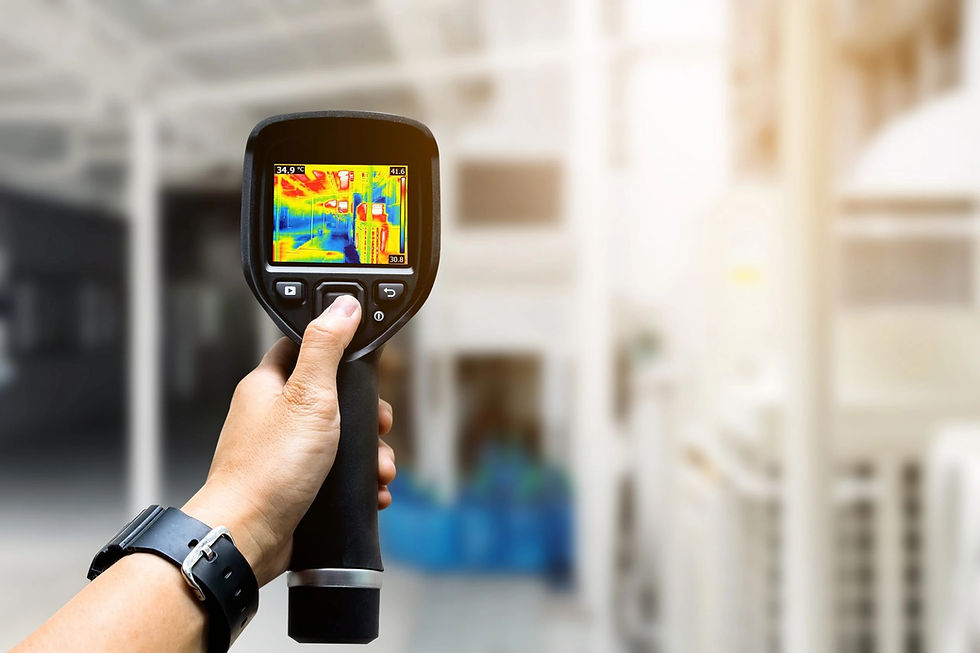
Infrared thermography uses thermal imaging cameras to detect temperature differences in energized equipment. Abnormal heat patterns often indicate developing failures that are not visible externally.
What Infrared Thermography Detects
Loose or high-resistance electrical connections
Overloaded circuits
Phase imbalance
Failing breakers or fuses
Transformer overheating
Motor and bearing issues
Insulation breakdown
Moisture intrusion affecting electrical systems
Infrared inspections are non-contact, non-destructive, and performed while equipment remains energized.
Infrared Thermography vs. Visual Inspection: Key Differences
Capability | Visual Inspection | Infrared Thermography |
Detects hidden electrical faults | ❌ No | ✅ Yes |
Identifies overheating components | ❌ No | ✅ Yes |
Requires shutdown | ❌ Sometimes | ✅ No |
Detects early-stage failures | ❌ Limited | ✅ Yes |
Supports NFPA 70B compliance | ❌ No | ✅ Yes |
Quantifies severity | ❌ No | ✅ Yes (Delta-T) |
Predictive maintenance value | ❌ Low | ✅ High |
Visual inspections show symptoms.Infrared thermography reveals root causes.
Why Visual Inspections Alone Miss Critical Problems
Many of the most dangerous electrical failures begin inside equipment, not on the surface.
Examples include:
Loose lugs inside closed panels
Internal breaker degradation
Overloaded conductors behind covers
Phase imbalance invisible externally
Heat buildup long before insulation failure
By the time visual signs appear — such as smoke, odor, or discoloration — the system may already be close to failure.
Why Infrared Thermography Is Required Under NFPA 70B
The 2023 update to NFPA 70B elevated infrared thermography from a recommended practice to a mandatory inspection requirement.
NFPA 70B now requires:
Annual infrared inspections of energized electrical equipment
Condition-based maintenance documentation
Severity classification of findings
Corrective action tracking
Visual inspections do not meet NFPA 70B diagnostic requirements on their own.
Why the Best Programs Use Both — Not One or the Other
Visual inspections still play an important role:
Identifying obvious safety issues
Verifying labeling and physical conditions
Supporting routine walkthroughs
But infrared thermography provides the critical diagnostic layer that visual inspections cannot.
Together, they deliver:
Comprehensive risk detection
Early failure identification
Reduced downtime
Improved safety
Stronger insurance and audit positioning
Real-World Impact: Infrared vs Visual Inspections
Facilities relying only on visual inspections often experience:
Surprise failures
Emergency repairs
Fire incidents
OSHA exposure
Higher insurance risk
Facilities using infrared thermography alongside visual inspections consistently achieve:
5–10x ROI on inspections
Fewer outages
Safer working conditions
Longer equipment life
Why Facilities Choose Assured NDT
Assured NDT delivers infrared thermography services designed to complement — and significantly enhance — visual inspection programs.
We provide:
Certified Level II & Level III thermographers
NFPA 70B-compliant inspection protocols
Severity-based reporting and repair prioritization
Minimal disruption to operations
Nationwide service coverage
We don’t replace visual inspections — we make them smarter.
Upgrade Your Inspection Program Beyond Visual Checks
If your facility relies primarily on visual inspections, now is the time to add infrared thermography and close the gap between what you see and what’s really happening.
📞 Contact Assured NDT to schedule an infrared inspection or consultation👉 https://www.assuredndt.com/contact
FAQs: Infrared Thermography vs Visual Inspection
1. Is infrared thermography better than visual inspection?
Infrared thermography is not a replacement for visual inspection, but it is far more effective at detecting hidden electrical problems that visual inspections cannot see.
2. Can visual inspections meet NFPA 70B requirements?
No. NFPA 70B requires diagnostic inspections such as infrared thermography; visual inspections alone are not sufficient.
3. Can infrared inspections be done without shutting down equipment?
Yes. Infrared thermography is performed while systems remain energized, avoiding downtime.
4. How often should infrared inspections be performed?
NFPA 70B requires annual infrared inspections for energized electrical equipment. High-risk facilities may inspect more frequently.
5. Who is qualified to perform infrared thermography inspections?
Certified thermographers using calibrated equipment, as required by NFPA 70B.


