Infrared Thermography for Hotels and Resorts: 5 Ways to Prevent Costly Downtime

Updated: Oct 23, 2025

The Hidden Threats Lurking Behind the Walls of Hospitality
For hotels and resorts, reputation is everything — and it hinges on delivering a seamless guest experience. From consistent climate control to uninterrupted power, your building systems are expected to function flawlessly 24/7. But what happens when they don’t?
The reality is that many facility disruptions are completely preventable — if you know where to look. Electrical faults, HVAC inefficiencies, and even hidden water intrusions can fester unnoticed, ultimately leading to:
Uncomfortable guest stays
Emergency maintenance calls
Negative reviews or comped stays
Unexpected downtime and revenue loss
That’s where infrared thermography comes in.
What Is Infrared Thermography?
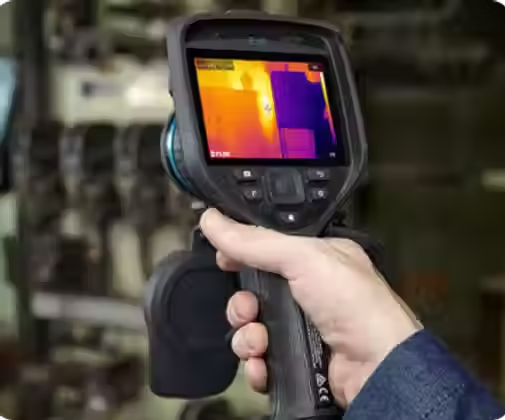
Infrared (IR) thermography is a non-invasive diagnostic tool that uses thermal imaging to detect heat anomalies in building systems — such as overheating wires, motors, or insulation failures — before they lead to equipment failure, fires, or system downtime.
For hotel facility teams, it means gaining real-time visibility into hidden issues, without disrupting operations or guest experiences.
Why Infrared Thermography Matter for Hotels and Resorts
1. Catch Electrical Hazards Early
Your hotel’s electrical panels, transformers, and backup systems are critical to guest safety and comfort. Infrared thermography for hotels and resorts can detect:
Loose or corroded connections
Overloaded circuits
Failing switchgear
Imbalanced loads
Early identification through a professional hotel electrical inspection can prevent electrical fires, shutdowns, and costly emergency repairs.
2. Improve HVAC Reliability and Comfort
Your HVAC systems work overtime — especially in tropical climates or peak seasons. Thermal imaging helps identify:
Failing compressor units
Blocked ducts
Insulation breakdowns
Temperature irregularities
Fixing these issues proactively ensures guest comfort, reduces energy costs, and avoids sudden A/C outages that could tank your online ratings.
3. Detect Water Intrusion Before It Spreads
Undetected roof leaks or moisture behind walls can lead to:
Mold and mildew problems
Structural degradation
Health code violations
Infrared scans reveal hidden moisture by detecting temperature changes caused by water evaporation — helping you resolve leaks before they affect guests or cause damage.
The Financial Case for Infrared Thermography for Hospitality
IR inspections are not just about safety and compliance — they make smart business sense.
Cost of inspection: Typically $1,500–$5,000 depending on facility size
Cost of a single HVAC or electrical failure: $20,000+ in repair and lost room revenue
Reputation risk: One bad guest experience can impact hundreds of future bookings
When compared to the potential losses, infrared thermography delivers 5–10x ROI by preventing downtime, improving system longevity, and enhancing operational efficiency.
Partnering with Assured NDT
Assured NDT specializes in providing infrared thermography services tailored to the hospitality sector. We understand the unique needs of hotels and resorts and offer:
After-hours and weekend inspections to avoid disruption
Clear, actionable reports with thermal images
Compliance alignment with NFPA 70B and insurance requirements
Ongoing support and reinspection plans
Don’t let hidden system faults surprise you in the middle of peak season. With proactive infrared thermography, your facility team can stay ahead of problems, reduce risk, and maintain the highest standard of guest satisfaction.
Get started today with a professional hotel electrical inspection from Assured NDT — because downtime is never on your guests’ itinerary.
Frequently Asked Questions: Infrared Thermography in Hotels and Resorts
1) What is infrared thermography and how does it help hotels?
Infrared thermography is a non-invasive diagnostic tool that detects heat patterns and anomalies in electrical, HVAC, and building envelope systems. For hotels and resorts, it identifies hidden issues—like overheating panels or moisture intrusion—before they cause costly downtime or guest discomfort.
2) How often should hotels perform infrared inspections?
Under NFPA 70B (2023), annual infrared inspections are now required for energized electrical systems. Many hospitality facilities schedule them seasonally or before peak occupancy periods for maximum reliability.
3) What types of issues can infrared thermography detect in a hotel?
Infrared inspections can reveal electrical overloads, loose connections, failing HVAC motors, blocked ducts, insulation failures, and even hidden water leaks behind walls or roofs.
4) Does infrared thermography disrupt guest operations?
No. Thermal imaging is contact-free and performed while systems remain energized, meaning your staff and guests experience no interruptions.
5) What’s the ROI of an infrared inspection for hospitality properties?
A single inspection—costing a fraction of emergency repair expenses—can prevent electrical fires, HVAC failures, and water damage that might lead to revenue loss or negative reviews. Many hotels see 5–10x ROI from reduced downtime and energy efficiency gains.
6) Can infrared inspections support insurance and compliance?
Yes. Infrared inspection reports provide documented proof of proactive maintenance, helping facilities comply with NFPA 70B, meet insurer requirements, and improve renewal terms.
7) Why choose Assured NDT for hospitality thermography?
Assured NDT specializes in hospital and hospitality environments, offering flexible scheduling, NFPA-compliant reporting, and actionable insights that protect uptime, safety, and reputation.