Electrical Safety & Reliability in Universities: Why Infrared Inspections Are Essential

Updated: Apr 10
Universities and educational campuses operate like small cities. They contain classrooms, research labs, dormitories, athletic facilities, data centers, healthcare clinics, dining halls, and administrative buildings — all powered by complex electrical infrastructure.
When an electrical failure occurs on campus, the impact can be immediate and widespread:
Class cancellations
Dormitory outages
Research disruptions
Safety hazards
Evacuations
Reputational damage
Insurance and liability exposure
That’s why infrared inspection for universities has become a cornerstone of modern campus maintenance and risk management programs.

At Assured NDT, we support colleges, universities, and school districts nationwide with infrared thermography, arc flash studies, and NFPA-compliant inspection programs designed specifically for educational environments.
Why Universities Face Unique Electrical Risks
Educational facilities face challenges that many commercial buildings do not:
Aging electrical infrastructure
Expanding research loads
High-density occupancy
Limited shutdown windows
Continuous HVAC demand
Dormitory and housing systems operating 24/7
Budget constraints that delay capital upgrades
Many campuses were built decades ago, with electrical systems not originally designed for:
Modern computing loads
Data centers
Lab equipment
EV charging
Expanded cooling demands
Without proactive inspection programs, small electrical issues can escalate into campus-wide outages.
What Is an Infrared Inspection for Universities?
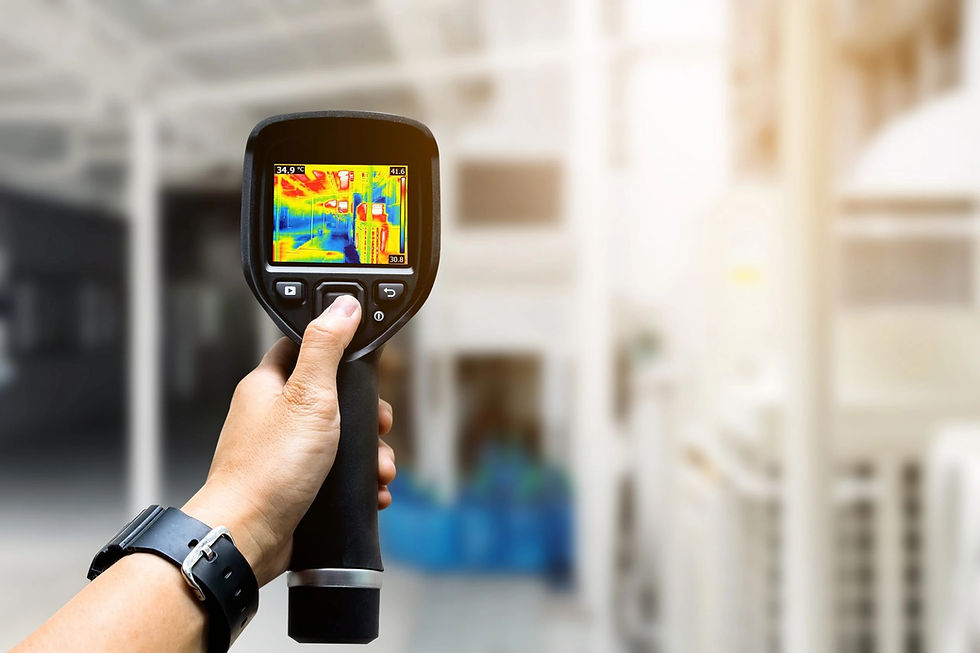
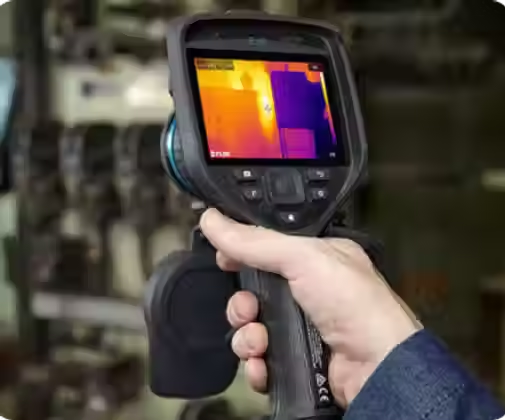
An infrared inspection for universities uses thermal imaging cameras to detect abnormal heat patterns in energized electrical equipment. Excess heat often signals developing problems such as:
Loose or deteriorating electrical connections
Overloaded circuits
Failing breakers
Transformer overheating
Phase imbalance
Insulation breakdown
Because inspections are non-contact and non-disruptive, they can be performed while systems remain energized — minimizing impact on classes and campus operations.
Critical Campus Systems Protected by Infrared Thermography
University infrared inspections typically include:
Main switchgear and distribution systems
Electrical panels in academic buildings
Dormitory electrical systems
Research lab electrical infrastructure
Data center and IT rooms
HVAC electrical components
Athletic facility power systems
Generator and emergency power systems
Assured NDT inspections include:
Severity ranking
Delta-T analysis
Repair prioritization
Compliance-ready documentation
NFPA 70B: What Campus Facility Managers Must Know
The 2023 update to NFPA 70B changed electrical maintenance from a recommended practice to a mandatory standard.
NFPA 70B now requires:
Annual infrared inspections of energized electrical equipment
Condition-based maintenance documentation
Corrective action tracking
Qualified inspection personnel
For universities, compliance supports:
Life-safety standards
Insurance expectations
Risk management protocols
Safety audits
State and institutional oversight
Infrared inspections are no longer optional — they are part of responsible campus governance.
How Infrared Inspections Prevent Campus Disruption
1. Prevent Dormitory Power Outages
Dorms operate year-round and are highly sensitive to outages. Infrared inspections detect overheating connections before failures affect student housing.
2. Protect Research & Laboratory Infrastructure
Research labs rely on stable electrical supply for:
Freezers
Medical research
Sensitive instrumentation
Grant-funded equipment
An unexpected outage can destroy years of research.
3. Reduce Fire and Arc Flash Risk
Overheating electrical components increase fire and arc flash hazards — particularly dangerous in high-occupancy buildings.
4. Improve Budget Planning
Infrared inspections allow facility teams to:
Prioritize repairs
Plan capital upgrades
Avoid emergency spending
Extend asset life
This is critical in budget-constrained educational environments.
How Often Should Universities Perform Infrared Inspections?
At minimum:➡ Annually, per NFPA 70B
Many campuses perform:
Semi-annual inspections for high-load buildings
Pre-semester inspections
Inspections after major upgrades or expansions
Inspection frequency should match building criticality.
Why Universities Partner with Assured NDT
Assured NDT understands the complexity and sensitivity of campus environments.
We provide:
Certified thermographers
Experience working in occupied academic settings
Flexible scheduling (break periods, evenings, weekends)
NFPA 70B-compliant inspection protocols
Clear reporting for facilities and administration
Nationwide service coverage
We help universities move from reactive maintenance to proactive risk management.
Strengthen Your Campus Electrical Safety Program
If your campus depends on reliable power for education, housing, research, and safety, infrared inspections should be part of your annual maintenance plan.
Contact Assured NDT to schedule an infrared inspection for your university or educational facility👉 https://www.assuredndt.com/contact
FAQs: Infrared Inspection for Universities
1. Why do universities need infrared inspections?
Universities rely on complex electrical systems supporting classrooms, labs, dormitories, and research facilities. Infrared inspections detect hidden faults before they cause outages or safety incidents.
2. Are infrared inspections required for educational facilities?
Yes. NFPA 70B requires annual infrared inspections for energized electrical equipment in commercial and institutional facilities, including universities.
3. Can inspections be performed without disrupting classes?
Yes. Infrared thermography is non-contact and performed while systems remain energized, minimizing operational disruption.
4. What campus buildings should be inspected?
All critical buildings, including dormitories, research labs, academic buildings, athletic facilities, and data centers.
5. Who is qualified to perform infrared inspections on campus?
Certified Level II or Level III thermographers using calibrated equipment in accordance with NFPA 70B requirements.