Top 7 Common Electrical Hotspots Found During Infrared Inspections

Electrical failures rarely happen without warning.
In most cases, systems begin showing early signs of stress long before equipment fails. One of the earliest—and most dangerous—warning signs is heat.
Hidden electrical hotspots can develop inside:
Electrical panels
Switchgear
Transformers
Motor control centers
Bus ducts
Breakers
HVAC electrical systems
These issues often go unnoticed until they lead to:
⚠ Equipment failure ⚠ Unexpected downtime ⚠ Electrical fires ⚠ Arc flash risks ⚠ Expensive emergency repairs
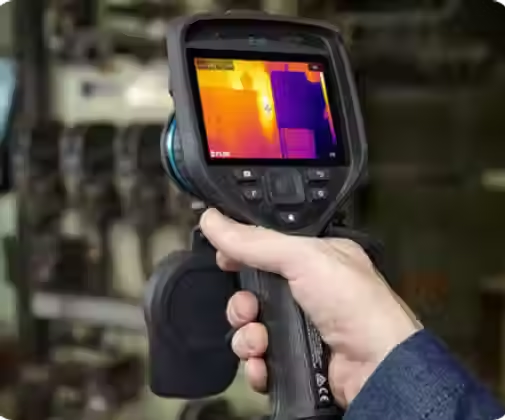
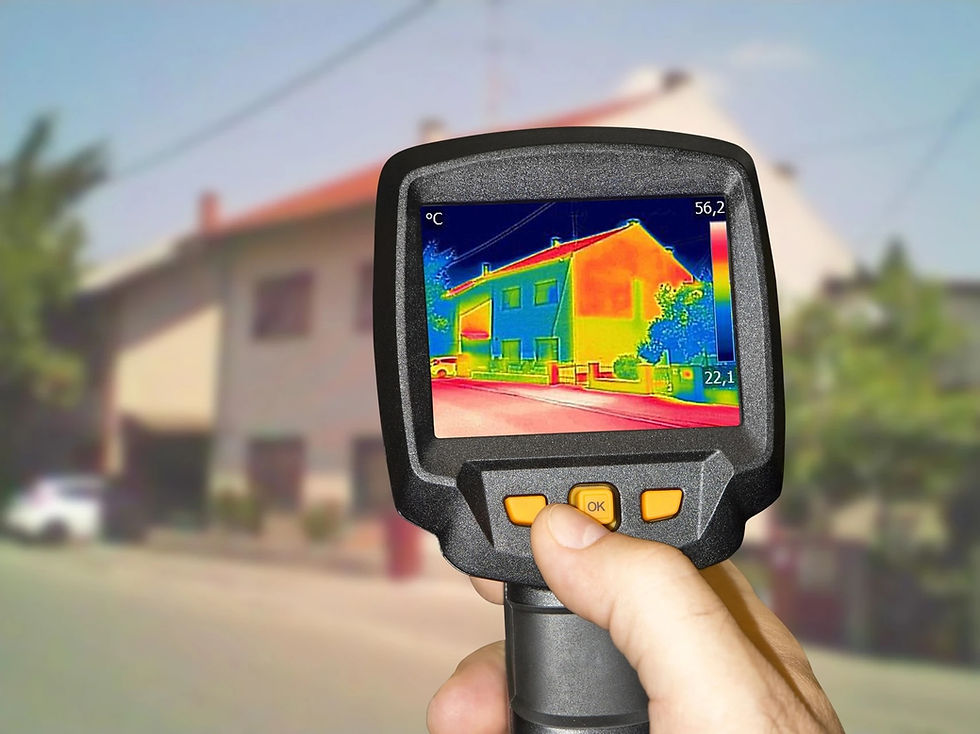
That’s why facility managers increasingly rely on infrared inspections to identify common electrical hotspots before major failures occur.
At Assured NDT, we help commercial and industrial facilities detect these hidden issues early through advanced infrared thermography inspections.
Quick Answer: What Are Common Electrical Hotspots?
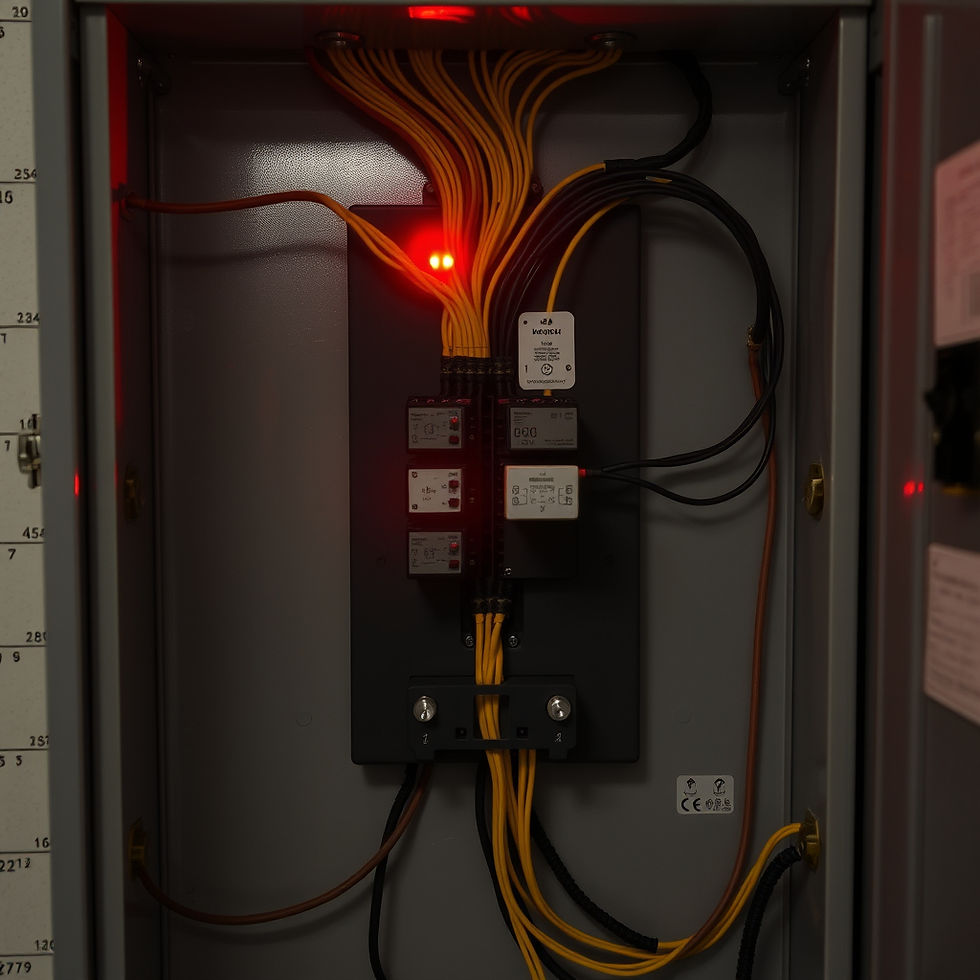
Common electrical hotspots are areas within electrical systems that generate abnormal heat due to loose connections, overloads, failing components, or system imbalances.
Infrared thermography helps identify these hotspots before they cause serious failures.
Why Electrical Hotspots Are Dangerous
Heat is often the first indicator of electrical failure.
When components overheat:
Insulation breaks down
Connections weaken further
Fire risks increase
Equipment lifespan decreases
System reliability drops
Many hotspots remain invisible during normal visual inspections.
That’s why thermal imaging is so valuable.
Top 7 Common Electrical Hotspots Found During Infrared Inspections
1. Loose Electrical Connections
This is one of the most common issues found during infrared inspections.
Loose connections create electrical resistance, which produces heat.
Common locations:
Panel connections
Breaker terminals
Bus bars
Disconnects
Risks:
Equipment failure
Fire hazards
Power interruptions
2. Overloaded Circuit Breakers
Circuit breakers handling excessive electrical loads often begin overheating.
This is common in:
Older buildings
Expanding facilities
Manufacturing plants
Commercial buildings with growing electrical demand
Risks:
Breaker failure
Unexpected shutdowns
Fire risk
3. Transformer Hotspots
Transformers often develop thermal issues due to:
Load imbalance
Cooling problems
Aging insulation
Internal faults
Risks:
Transformer failure
Expensive replacement costs
Facility-wide outages
Bus systems carry high volumes of electricity throughout facilities.
Even minor connection issues can create significant heat.
Risks:
Major outages
Fire hazards
Distribution failures
MCCs commonly develop hotspots due to:
Overloaded motors
Loose wiring
Aging components
Risks:
Production downtime
Motor failures
Reduced operational efficiency
6. HVAC Electrical Components
HVAC systems are critical in:
Hotels
Hospitals
Data centers
Universities
Commercial buildings
Overheated electrical components can cause cooling failures.
Risks:
Occupant discomfort
Equipment shutdowns
Revenue loss
7. Backup Power Systems
Generators, transfer switches, and emergency systems often remain untested until emergencies occur.
Infrared inspections frequently find:
Loose terminations
Overheated switches
Generator panel issues
Risks:
Failure during outages
Major operational disruption
Industries Most Affected by Electrical Hotspots
These issues commonly impact:
Commercial real estate
Multi-family buildings
Any facility with critical electrical infrastructure should monitor for hotspots.
How Infrared Thermography Detects Hidden Hotspots
Infrared cameras identify heat patterns in energized systems without requiring shutdowns.
This allows technicians to:
Identify issues early
Prioritize repairs
Reduce downtime
Improve safety
Extend equipment life
It’s one of the most effective predictive maintenance tools available.
NFPA 70B and Hotspot Detection
The updated NFPA 70B standard emphasizes:
Documentation of findings
Corrective action planning
Thermal inspections help facilities stay compliant.
Why Facilities Choose Assured NDT
Assured NDT provides:
✅ Certified thermographers ✅ Detailed reporting ✅ NFPA 70B-aligned inspections ✅ Nationwide service coverage ✅ Flexible scheduling
We help facilities identify hidden risks before failures happen.
Schedule Your Infrared Inspection
Don’t wait for overheating equipment to cause downtime.
Contact Assured NDT today to schedule an infrared inspection.
FAQs: Common Electrical Hotspots
1. What causes electrical hotspots?
Electrical hotspots are usually caused by loose connections, overloaded circuits, failing equipment, and load imbalances.
2. Can infrared inspections detect hidden electrical problems?
Yes. Infrared thermography identifies overheating components that may not be visible during standard inspections.
3. Are electrical hotspots dangerous?
Yes. They can lead to fires, equipment failures, downtime, and safety hazards.
4. How often should facilities perform infrared inspections?
Most facilities should perform inspections annually, while critical facilities may need more frequent inspections.
5. What equipment should be inspected?
Panels, switchgear, transformers, breakers, MCCs, HVAC systems, and backup power systems.