Infrared Thermography for Data Centers: The Complete Guide to Preventing Downtime

Updated: May 8
Data centers are the backbone of the modern economy. They power cloud computing, financial systems, healthcare records, logistics networks, universities, AI platforms, and countless business operations. But while digital systems get most of the attention, every data center depends on one physical asset above all:
⚡ Reliable electrical infrastructure
One hidden electrical failure can cause:
Server outages
Cooling loss
Data disruption
Emergency shutdowns
SLA penalties
Revenue loss
Reputation damage
That’s why infrared thermography for data centers has become one of the most effective predictive maintenance tools available.
At Assured NDT, we help data centers identify hidden electrical risks before they cause downtime.

Quick Answer: Why Do Data Centers Need Infrared Thermography?
Infrared thermography for data centers detects overheating electrical components such as breakers, UPS systems, switchgear, transformers, and PDUs before they fail, helping prevent outages and protect uptime.
Why Downtime Is So Expensive for Data Centers
Unlike many facilities, data centers cannot tolerate interruptions.
Even a short outage may lead to:
Lost customer trust
Contractual penalties
Emergency labor costs
Equipment damage
IT recovery costs
Revenue disruption
For colocation and enterprise facilities, downtime can cost thousands—or more—per minute. Preventing failures is dramatically less expensive than reacting to them.
What Is Infrared Thermography?
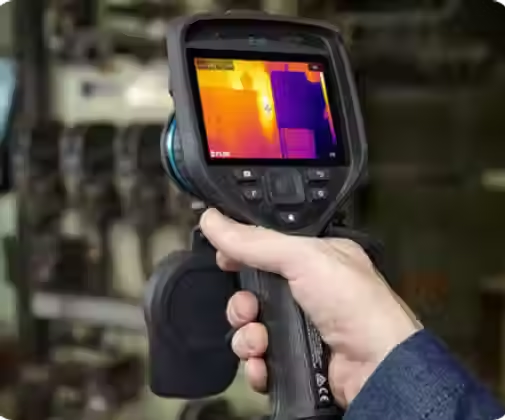
Infrared thermography uses thermal imaging cameras to detect abnormal heat patterns in energized equipment.
Heat is often the earliest warning sign of:
Loose electrical connections
Overloaded circuits
Failing breakers
UPS component stress
Transformer overheating
Load imbalance
Cooling system electrical issues
Because inspections are non-contact and performed while systems remain energized, data center operations can continue uninterrupted.
Critical Data Center Systems That Should Be Inspected
A professional infrared thermography data centers program should include:
1. Main Switchgear
Switchgear failures can impact the entire facility. Infrared inspections detect:
Hot lugs
Loose bus connections
Breaker heating
Phase imbalance
2. UPS Systems
UPS equipment is mission-critical. Thermography identifies:
Battery connection heat
Internal component stress
Overloaded circuits
Input/output anomalies
3. PDUs (Power Distribution Units)
PDUs feed racks and server loads. Infrared detects:
Uneven loading
Overheating breakers
Internal connection issues
4. Transformers
Transformers under heavy demand can overheat over time. Thermal imaging helps identify:
Cooling issues
Winding stress
Load imbalance
5. Backup Generators & ATS Systems
Generators must work when needed most. Infrared inspections help ensure readiness of:
Transfer switches
Control panels
Electrical terminations
Top 7 Problems Infrared Thermography Detects in Data Centers
1. Loose Electrical Connections
A major cause of overheating and failure.
2. Overloaded Circuits
High-density loads can exceed safe limits.
3. Failing Breakers
Breakers can degrade silently.
4. UPS Heat Stress
Critical systems under load reveal thermal anomalies.
5. Phase Imbalance
Uneven loading impacts efficiency and reliability.
6. Transformer Hot Spots
Can lead to insulation damage.
7. Cooling System Electrical Faults
HVAC power failures can be catastrophic.
How Often Should Data Centers Perform Infrared Inspections?
Best practice:
➡ Annually (minimum)
➡ Semi-annually for high-load facilities
➡ Before capacity expansions
➡ After electrical upgrades
➡ After unexplained breaker trips or hot spots
Mission-critical environments often inspect more frequently.
Infrared Thermography and Compliance
While every facility differs, infrared inspections support:
NFPA 70B electrical maintenance programs
Insurance risk management
Uptime planning
Preventive maintenance documentation
Internal reliability audits
Infrared reporting provides evidence of proactive maintenance.
Key Takeaways for Data Center Managers
Most electrical failures begin with heat.
Infrared inspections identify hidden issues early.
Downtime costs far exceed inspection costs.
UPS, switchgear, and PDUs should be prioritized.
Annual inspections improve reliability and resilience.
Why Data Centers Choose Assured NDT
Assured NDT provides:
✅ Certified Level II & Level III thermographers
✅ Non-disruptive inspections during live operations
✅ Detailed thermal reporting
✅ Flexible scheduling
✅ Experience with mission-critical environments
✅ Nationwide service coverage
We help data centers reduce risk and protect uptime.
Protect Your Uptime Before a Failure Happens
Data center outages are costly — and often preventable. Contact Assured NDT to schedule an infrared thermography inspection for your data center👉 https://www.assuredndt.com/contact
FAQs: Infrared Thermography Data Centers
1. Why is infrared thermography important for data centers?
Infrared thermography helps detect hidden electrical issues before they cause outages, protecting uptime and critical systems.
2. Can infrared inspections be performed without shutting down servers?
Yes. Infrared inspections are non-contact and performed while equipment remains energized.
3. What systems should be inspected in a data center?
Switchgear, UPS systems, transformers, PDUs, ATS equipment, generators, and cooling-related electrical systems.
4. How often should data centers perform infrared inspections?
At minimum annually, though many mission-critical facilities inspect semi-annually.
5. Can infrared inspections reduce downtime risk?
Yes. Early detection of overheating components significantly reduces the chance of electrical failure and unplanned outages.
The Future of Data Center Maintenance
As technology evolves, so does the need for advanced maintenance solutions. Infrared thermography is not just a tool; it is a critical component of a comprehensive maintenance strategy. By investing in regular inspections, data centers can ensure operational excellence and longevity.
Embracing Innovation in Data Center Management
In today's fast-paced digital landscape, staying ahead means embracing innovation. Infrared thermography is a proactive approach that aligns with the goals of modern data centers. It allows for real-time monitoring and immediate action, which is essential for maintaining uptime.
Conclusion
In conclusion, the importance of infrared thermography in data centers cannot be overstated. It is a vital practice that helps prevent costly failures and ensures the integrity of electrical systems. By prioritizing these inspections, data centers can safeguard their operations and enhance their overall reliability.
Take action today. Schedule your infrared thermography inspection and protect your data center from unforeseen challenges.