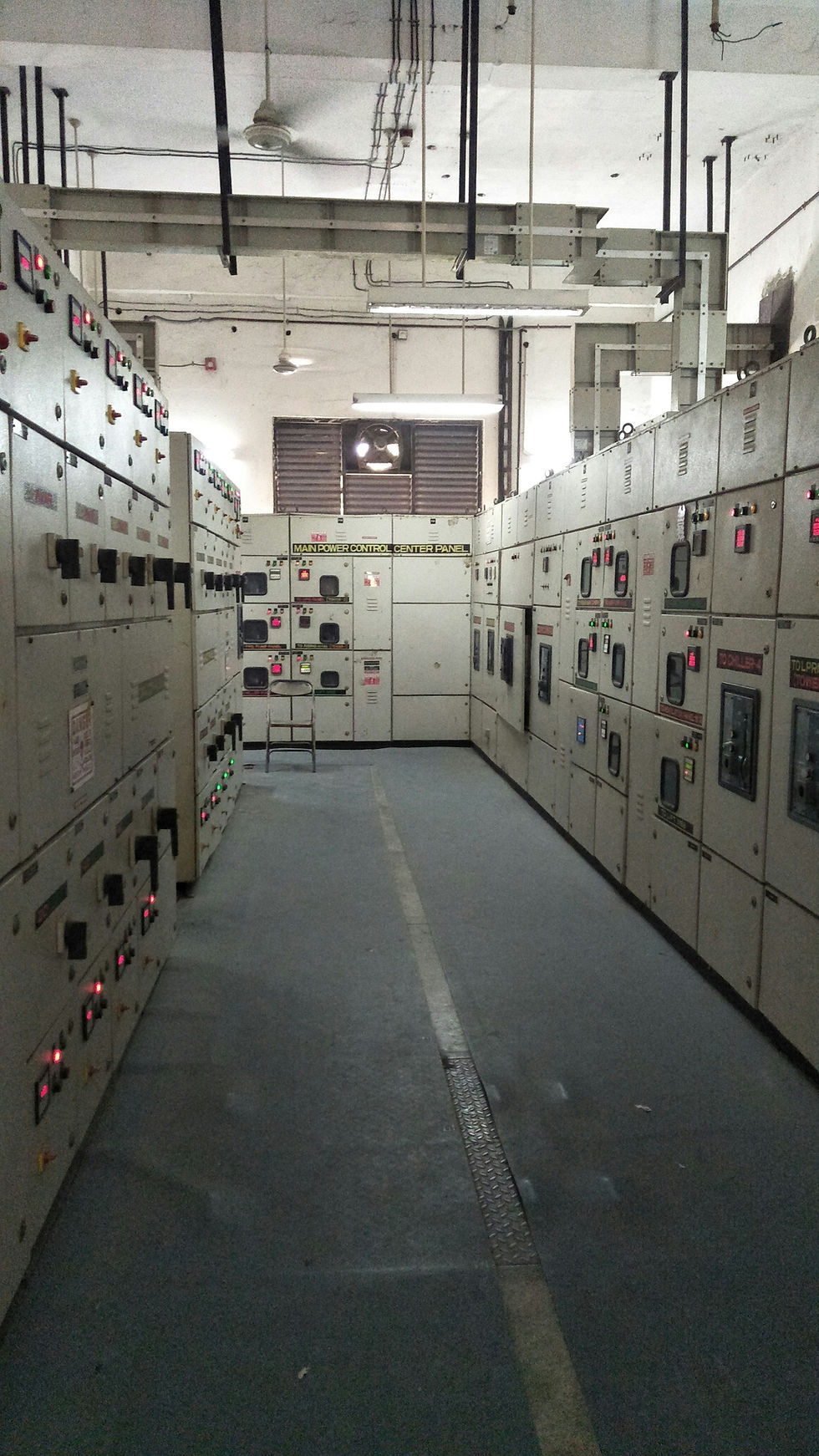
How Infrared Thermography Detects Electrical Faults in Electrical Inspection Before They Cause Downtime

Updated: Oct 23, 2025
Understanding Infrared Thermography in Electrical Inspections
Infrared thermography is a non-invasive diagnostic method that uses thermal imaging cameras to visualize heat patterns in electrical systems. It helps maintenance teams detect issues such as loose connections, overloads, and failing components before they result in equipment failure or fire hazards.
By identifying heat-related anomalies invisible to the naked eye, infrared thermography provides a clear, data-driven view of system performance, allowing for early intervention and safer operations.
Why Infrared Inspections Are Essential for Electrical Systems
Electrical components naturally generate heat during operation—but excessive heat often signals a serious issue. Common causes include:
Loose or corroded terminals
Imbalanced loads or phase issues
Overloaded circuits
Aging or failing insulation
Contaminated contacts
Infrared thermography identifies these conditions long before they cause outages or safety risks. The result: fewer failures, less downtime, and greater reliability.
How Infrared Electrical Inspections Work
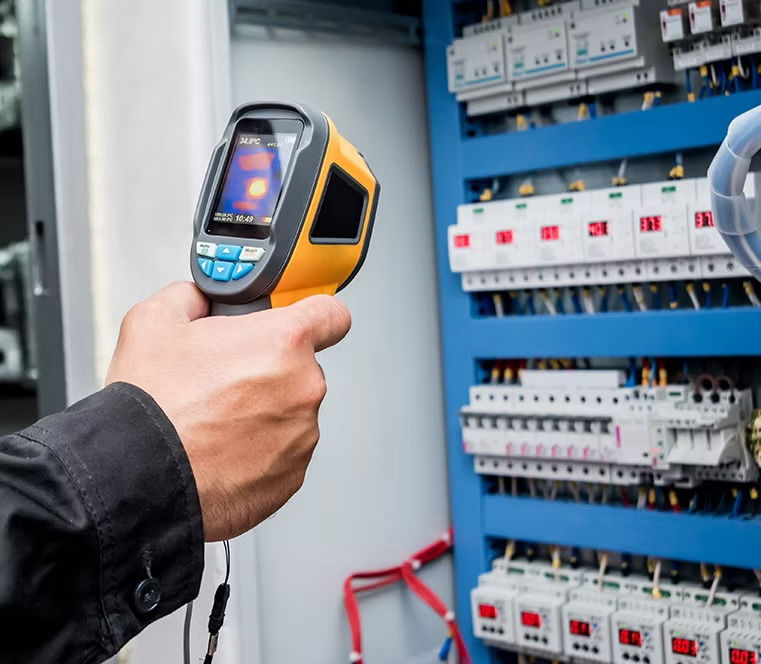
Data Collection:Certified thermographers use infrared cameras to scan electrical panels, breakers, transformers, and switchgear while systems remain energized.
Thermal Imaging:The camera converts infrared radiation into a detailed thermal image, displaying temperature variations across equipment.
Analysis:Hot spots or unusual patterns are analyzed to determine whether they result from overload, imbalance, or resistance.
Reporting:The thermography report outlines each issue’s severity, root cause, and recommended corrective action—often preventing catastrophic failures.
Compliance and Safety Benefits
Infrared electrical inspections are an integral part of NFPA 70B (2023), which now mandates annual thermography for energized systems. Compliance not only ensures safer operations but also helps facilities:
Meet OSHA and insurance audit requirements
Reduce fire and arc flash risks
Extend equipment lifespan
Strengthen preventive maintenance programs
When done regularly, infrared thermography becomes one of the most cost-effective tools for reliability and compliance.
Industries We Serve
Assured NDT works with clients across commercial, industrial, and institutional sectors, including:
Manufacturing plants
Hospitals and medical facilities
Commercial property managers
Educational institutions
Data centers and telecom sites
Make Infrared Thermography Part of Your Maintenance Plan
Whether part of a predictive maintenance program or a one-time inspection, thermal imaging of electrical systems is a smart investment in risk prevention and operational continuity.
Why Choose Assured NDT for Infrared Electrical Inspections
At Assured NDT, our certified thermographers deliver NFPA 70B-compliant electrical inspections with actionable insights and clear documentation. We serve industrial, commercial, and healthcare facilities nationwide—helping clients reduce risk, improve uptime, and operate safely.
Schedule your next infrared electrical inspection with Assured NDT today to protect your assets and ensure compliance.
Frequently Asked Questions: Infrared Electrical Inspections
1) What is an infrared electrical inspection?
It’s a non-contact diagnostic procedure that uses thermal imaging cameras to detect excessive heat in electrical components—revealing hidden faults before they lead to equipment failure or fire.
2) Why are infrared inspections important?
They help identify early warning signs of electrical problems, allowing maintenance teams to take corrective action proactively instead of reacting to emergencies.
3) Do infrared inspections require shutting down power?
No. Inspections are performed while systems remain energized, meaning no downtime or disruption to your operations.
4) What standards apply to infrared electrical inspections?
NFPA 70B (2023) requires annual infrared thermography inspections for energized electrical systems as part of a documented maintenance program.
5) What equipment is typically inspected?
Switchgear, MCCs, transformers, panels, breakers, disconnects, and bus ducts—all components that can experience heat-related issues due to electrical resistance or overload.
6) How often should infrared electrical inspections be performed?
Annually, per NFPA 70B guidelines—or more frequently for high-load or mission-critical environments such as hospitals and manufacturing plants.
7) What are the benefits of using infrared thermography for inspections?
It improves reliability, minimizes safety risks, extends equipment life, and helps facilities meet compliance and insurance requirements.
8) Why choose Assured NDT for electrical thermography?
Assured NDT’s certified thermographers deliver NFPA-compliant inspections with professional reporting, actionable recommendations, and exceptional turnaround times—ensuring you stay ahead of electrical risks.
Protect your facility from preventable electrical failures. Schedule a thermal inspection with Assured NDT today.