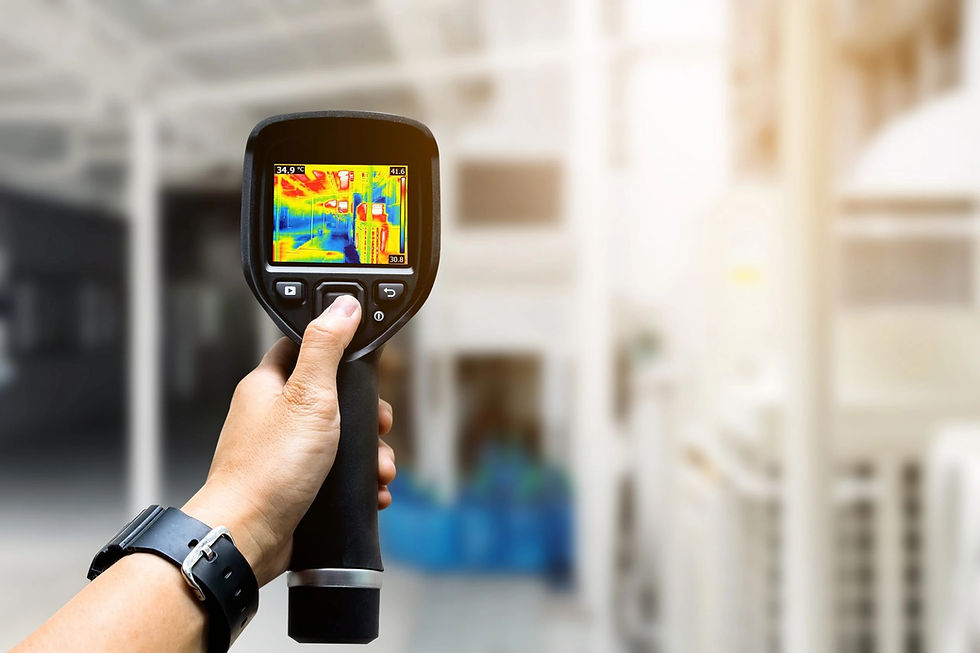
Top 10 Problems Infrared Thermography Detects Before They Cause Downtime

Unexpected downtime is one of the most costly challenges facing commercial and industrial facilities. Whether it’s a manufacturing plant, hospital, university, or hotel, even a brief disruption can lead to lost revenue, safety risks, and operational setbacks.
The good news? Most failures don’t happen suddenly — they develop over time. That’s where infrared thermography plays a critical role. By identifying infrared thermography problems early, facility managers can take action before small issues escalate into major failures.
At Assured NDT, we use advanced thermal imaging to help facilities detect hidden electrical issues, improve reliability, and maintain compliance with standards like NFPA 70B.
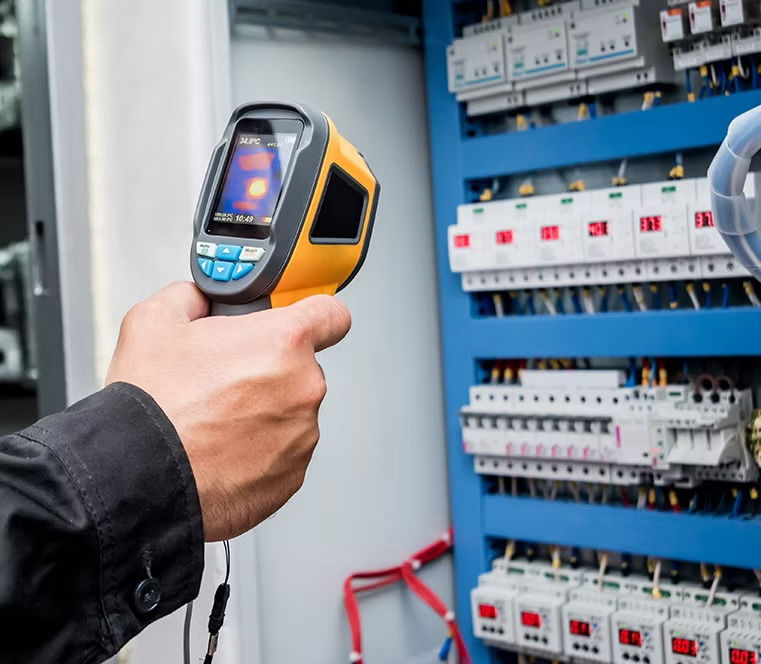
Quick Answer: What Problems Can Infrared Thermography Detect?
Infrared thermography detects overheating electrical components such as loose connections, overloaded circuits, failing breakers, transformer issues, and phase imbalances all before they lead to equipment failure or downtime.
Why Infrared Thermography Matters for Preventing Downtime
Electrical systems rarely fail without warning — they give off heat as an early indicator.
Infrared inspections allow facility teams to:
Detect hidden issues inside energized equipment
Prevent unplanned outages
Improve maintenance planning
Reduce emergency repair costs
Support NFPA 70B compliance
It’s one of the most effective tools in predictive maintenance.
Top 10 Infrared Thermography Problems Detected Early
1. Loose Electrical Connections
Loose or deteriorating connections create resistance — and resistance generates heat.
Risk:
Equipment failure
Fire hazard
System instability
Infrared Benefit: Detects overheating connections before they fail.
2. Overloaded Circuits
Circuits carrying more current than designed will overheat over time.
Risk:
Breaker trips
Equipment damage
Fire risk
Infrared Benefit: Identifies load-related heat patterns before failure occurs.
3. Failing Circuit Breakers
Breakers can degrade internally, even if they appear functional.
Risk:
Failure to trip during faults
Increased arc flash risk
Infrared Benefit: Detects abnormal heat inside breakers indicating internal failure.
4. Transformer Overheating
Transformers are critical assets — and overheating is a major warning sign.
Risk:
Insulation breakdown
Equipment failure
Power loss
Infrared Benefit: Identifies abnormal temperature rise and cooling issues.
5. Phase Imbalance
Uneven electrical loads across phases can cause overheating and inefficiency.
Risk:
Motor damage
Reduced equipment lifespan
Increased energy costs
Infrared Benefit: Highlights uneven heat patterns across phases.
6. Bus Duct and Busbar Issues
Bus systems distribute power across facilities — and faults here are serious.
Risk:
Major outages
Fire hazards
Infrared Benefit: Detects hot spots in high-capacity distribution systems.
7. Motor Overheating
Motors are essential to operations — and heat indicates stress or failure.
Risk:
Equipment breakdown
Production downtime
Infrared Benefit: Identifies overheating caused by electrical or mechanical issues.
8. Electrical Panel Hot Spots
Panels often contain multiple failure points.
Risk:
System instability
Fire potential
Infrared Benefit: Pinpoints exact components generating excess heat.
9. HVAC Electrical Failures
HVAC systems are critical for comfort and operations.
Risk:
Loss of climate control
Guest or occupant discomfort
System shutdown
Infrared Benefit: Detects electrical faults impacting HVAC performance.
10. Insulation Breakdown
Electrical insulation degrades over time, especially under heat stress.
Risk:
Short circuits
Equipment failure
Infrared Benefit: Identifies abnormal heat patterns indicating insulation failure.
Key Takeaways for Facility Managers
Most electrical failures begin as heat-related issues
Infrared thermography detects problems before failure occurs
Annual inspections support NFPA 70B compliance
Early detection reduces downtime and repair costs
Infrared inspections deliver high ROI in preventive maintenance
How Infrared Thermography Supports NFPA 70B
The 2023 update to NFPA 70B emphasizes condition-based maintenance, including:
Annual infrared inspections
Equipment condition monitoring
Documentation of findings
Corrective action tracking
Infrared thermography is a core component of compliance.
Why Facilities Choose Assured NDT
Assured NDT provides:
Certified thermographers
Detailed infrared inspection reports
NFPA 70B-compliant inspection programs
Flexible scheduling
Nationwide service coverage
We help facilities identify risks early and prevent costly downtime.
Prevent Downtime Before It Starts
Electrical failures are predictable — if you know where to look.
📞 Contact Assured NDT to schedule an infrared thermography inspection https://www.assuredndt.com/contact
FAQs: Infrared Thermography Problems
1. What problems can infrared thermography detect?
Infrared thermography detects overheating electrical components such as loose connections, overloaded circuits, failing breakers, and transformer issues before they cause failure.
2. How does infrared thermography prevent downtime?
By identifying heat-related issues early, facilities can repair problems before equipment fails or systems shut down.
3. Is infrared thermography required for NFPA 70B compliance?
NFPA 70B requires condition-based maintenance programs that include diagnostic tools such as infrared inspections.
4. How often should infrared inspections be performed?
Most facilities perform infrared inspections annually, with more frequent inspections for high-risk environments.
5. Can infrared thermography detect problems without shutting down equipment?
Yes. Infrared inspections are non-contact and performed while equipment is energized.