Electrical Failures: The #1 Cause of Commercial Fires and How to Prevent Them

Electrical failures remain the leading cause of commercial property fires across the United States. From office buildings and hospitals to manufacturing plants and universities, electrical system breakdowns continue to pose one of the greatest safety and financial risks to commercial facilities.
For property owners and facility managers, understanding electrical fire prevention in commercial environments is no longer optional — it is a core responsibility tied to life safety, compliance, insurance exposure, and operational continuity.
At Assured NDT, we help organizations reduce fire risk through infrared thermography, arc flash studies, and NFPA-compliant electrical inspection programs. Here’s what you need to know — and how to prevent electrical fires before they start.

Why Electrical Failures Are the #1 Cause of Commercial Fires
Electrical systems operate continuously under heavy loads. Over time, components degrade, connections loosen, insulation breaks down, and protective devices age.
The most common causes of electrical fires in commercial buildings include:
Loose or deteriorated electrical connections
Overloaded circuits
Faulty breakers or fuses
Aging switchgear
Transformer overheating
Improperly maintained panels
Phase imbalance
Poorly coordinated protective devices
These issues often develop silently inside panels and enclosures — with heat buildup being the first warning sign.
The Hidden Nature of Electrical Fire Risk
Most electrical failures do not begin with sparks or smoke. They begin with:
Increased resistance
Elevated temperatures
Minor insulation degradation
Slight load imbalances
Without diagnostic inspection tools, these early warning signs are invisible.
By the time visible damage appears, the system may already be dangerously compromised.
How Electrical Fire Prevention in Commercial Facilities Works
Effective electrical fire prevention in commercial settings relies on a proactive maintenance strategy, not reactive repairs.
Key components include:
1. Infrared Thermography (IR Inspections)
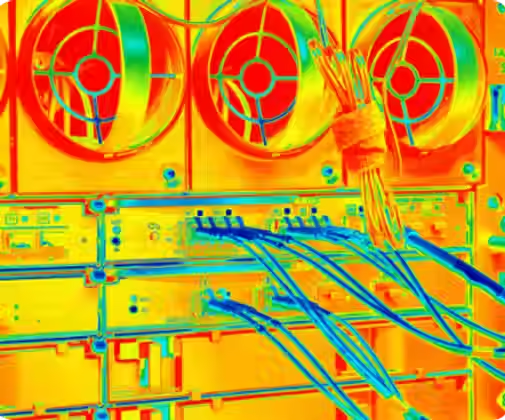
Infrared inspections detect overheating components inside energized equipment without shutting down operations.
IR scans identify:
Hot spots
High-resistance connections
Overloaded circuits
Failing breakers
Transformer issues
NFPA 70B now requires annual infrared inspections for energized electrical equipment as part of condition-based maintenance.
2. Arc Flash Studies & Protective Coordination
Improper breaker coordination can increase the severity of faults and arc flash events. Arc flash studies help:
Ensure correct protective device settings
Reduce incident energy levels
Improve system coordination
Lower fire and explosion risk
3. Routine Electrical Maintenance Programs
A comprehensive commercial electrical maintenance program includes:
Scheduled inspections
Documentation of findings
Corrective action tracking
Qualified personnel
Compliance alignment
Electrical fire prevention is not a one-time service — it is an ongoing strategy.
NFPA 70B and Commercial Electrical Fire Prevention
The 2023 update to NFPA 70B elevated electrical maintenance from recommended practice to mandatory standard.
The standard now requires:
Condition-based maintenance
Annual infrared inspections
Documentation of inspection results
Tracking corrective actions
For commercial property owners, failure to comply increases liability exposure following an incident.
The Financial Impact of Commercial Electrical Fires
Electrical fires can result in:
Property damage
Business interruption
Insurance premium increases
OSHA investigations
Legal exposure
Tenant displacement
Reputation damage
Even minor electrical incidents can lead to six- or seven-figure losses.
In contrast, proactive inspection programs typically cost a fraction of potential fire damage.
Industries Most at Risk
Electrical fire prevention is critical in:
Office buildings
Multi-tenant commercial properties
High-occupancy and high-load facilities face elevated risk.
Why Commercial Facilities Partner with Assured NDT
Assured NDT helps organizations reduce electrical fire risk through:
Certified Level II & Level III thermographers
NFPA 70B-compliant infrared inspections
Arc flash studies & labeling
Clear, actionable reporting
Nationwide service coverage
Audit-ready documentation
We help facilities move from reactive emergency response to proactive fire prevention.
Prevent Electrical Fires Before They Start
Electrical fires are preventable — but only when hidden risks are identified early.
Contact Assured NDT to strengthen your commercial electrical fire prevention program👉 https://www.assuredndt.com/contact
FAQs: Electrical Fire Prevention Commercial
1. What is the most common cause of commercial fires?
Electrical failures, including overheating connections and overloaded circuits, are the leading cause of commercial property fires.
2. How can commercial facilities prevent electrical fires?
Through proactive maintenance, annual infrared inspections, arc flash studies, and compliance with NFPA 70B and OSHA requirements.
3. Are infrared inspections required for electrical fire prevention?
Yes. NFPA 70B requires annual infrared inspections of energized electrical equipment as part of a fire prevention strategy.
4. How often should commercial buildings inspect electrical systems?
At minimum, annually for infrared inspections, with additional maintenance based on equipment criticality and risk.
5. Who is qualified to perform electrical fire prevention inspections?
Certified thermographers and qualified electrical professionals experienced in NFPA standards and commercial electrical systems.