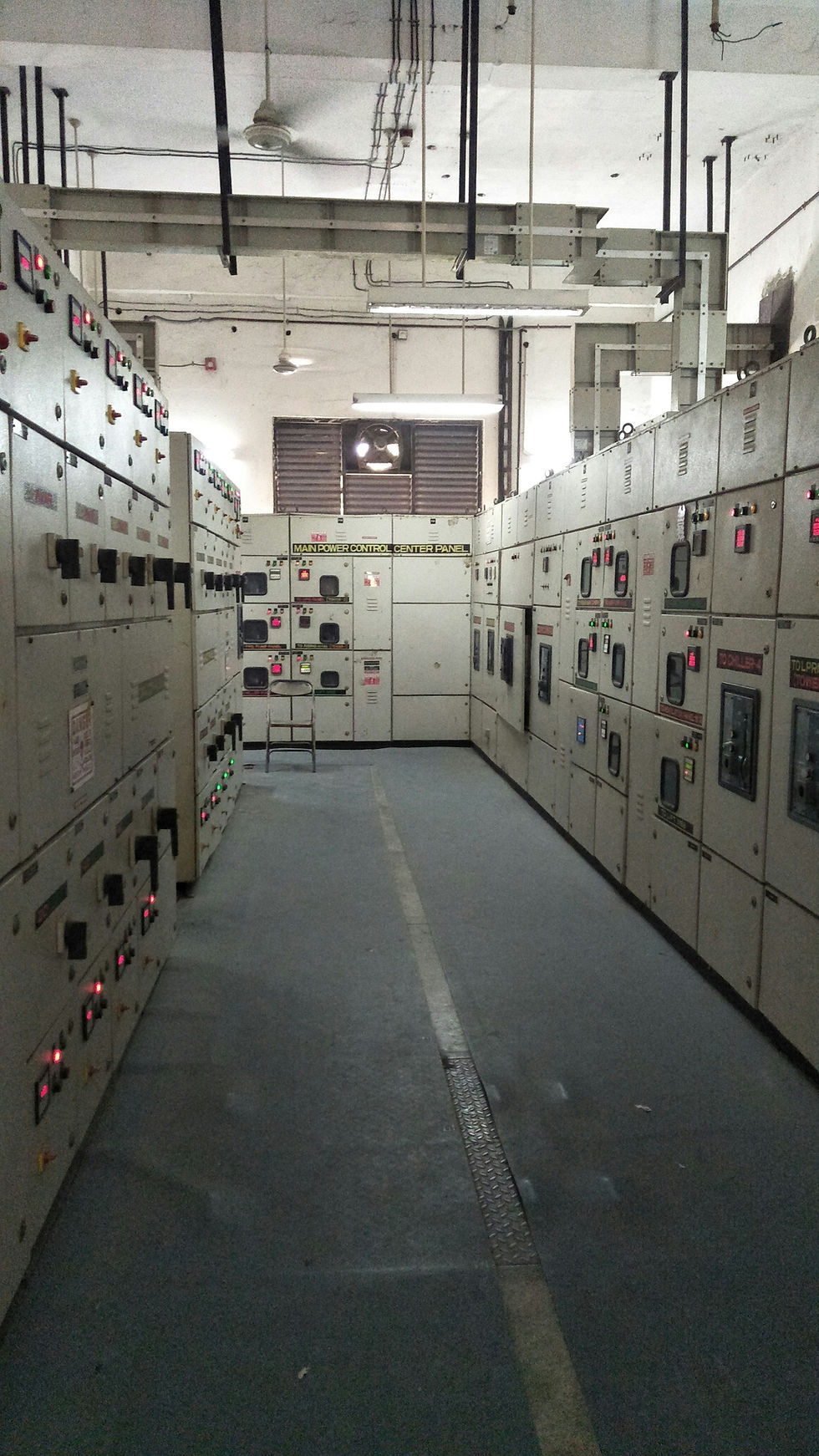
Complete Guide to NFPA 70B Electrical Maintenance for Facility Managers

Updated: Apr 10
Electrical failures remain one of the leading causes of commercial fires, equipment damage, and unexpected facility downtime. To address these risks, the National Fire Protection Association introduced major updates to NFPA 70B, transforming electrical maintenance from a recommended practice into a formal standard.
For facility managers, engineers, and property owners, understanding NFPA 70B electrical maintenance requirements is now essential for protecting infrastructure, maintaining compliance, and reducing operational risk.
This guide explains what NFPA 70B requires, why it matters, and how commercial facilities can build a compliant electrical maintenance program.

What Is NFPA 70B?
NFPA 70B (Standard for Electrical Equipment Maintenance) establishes best practices for maintaining electrical systems safely and reliably.
The 2023 edition of NFPA 70B introduced a major shift toward condition-based maintenance, which means electrical equipment must be inspected and maintained based on its condition rather than fixed time intervals alone. This approach allows facilities to detect problems early and prevent equipment failures.
NFPA 70B applies to most commercial electrical infrastructure including:
Switchgear
Transformers
Motor control centers
Distribution panels
Generators
UPS systems
Busways
Electrical feeders
Proper maintenance of these systems is critical to facility safety and reliability.
Why NFPA 70B Electrical Maintenance Matters
Electrical systems are often out of sight, which means developing problems may go unnoticed until they cause serious failures.
Common electrical risks include:
Loose electrical connections
Overloaded circuits
Insulation breakdown
Aging infrastructure
Equipment overheating
Improper protective coordination
These issues can lead to:
Electrical fires
Arc flash incidents
Equipment damage
Operational shutdowns
Insurance claims
Safety hazards for workers
NFPA 70B electrical maintenance programs help facilities identify and correct these risks before they escalate.
Key Components of an NFPA 70B Electrical Maintenance Program
To meet the standard, facilities should implement a structured maintenance program with several core elements.
1. Electrical Equipment Inventory
Facilities must identify all critical electrical infrastructure within their buildings.
Typical equipment included in the inventory:
Main service switchgear
Distribution panels
Transformers
Motor control centers
Backup generators
Uninterruptible power supply systems
Electrical feeders and bus ducts
Understanding the equipment present is the foundation of any maintenance program.
2. Condition-Based Maintenance
NFPA 70B emphasizes monitoring equipment condition to determine maintenance needs.
Condition-based maintenance tools include:
Infrared thermography
Electrical testing
Visual inspections
Performance monitoring
Diagnostic analysis
By monitoring equipment condition, facility teams can identify problems before failures occur.
3. Annual Infrared Thermography Inspections
One of the most important tools in NFPA 70B electrical maintenance programs is infrared thermography. Infrared inspections detect thermal anomalies that indicate developing electrical problems.
Typical findings include:
Overheated electrical connections
Failing breakers
Overloaded circuits
Transformer heating issues
Phase imbalance
Motor overheating
Because thermal imaging inspections are performed while equipment is energized, they provide valuable insight into real operating conditions.
4. Electrical Testing and Preventive Maintenance
In addition to thermal imaging, electrical maintenance programs may include testing procedures such as:
Insulation resistance testing
Circuit breaker testing
Relay testing
Transformer diagnostics
Power quality analysis
These tests help confirm that equipment will function properly under fault conditions.
5. Maintenance Documentation
NFPA 70B requires facilities to maintain detailed maintenance records.
Documentation should include:
Inspection reports
Maintenance activities
Repair records
Test results
Equipment condition assessments
Proper documentation helps demonstrate compliance and supports long-term asset management.
The Role of Infrared Thermography in NFPA 70B
Infrared thermography has become one of the most widely used diagnostic tools in electrical maintenance programs. Thermal imaging allows inspectors to identify hidden problems without shutting down equipment.
Infrared inspections are particularly effective for detecting:
High-resistance electrical connections
Loose conductors
Overloaded circuits
Imbalanced electrical loads
Equipment overheating
Because many electrical failures begin as thermal anomalies, infrared inspections provide an early warning system for facility managers.
NFPA 70B and Insurance Requirements
Insurance carriers are increasingly evaluating electrical maintenance programs when underwriting commercial properties.
Facilities that demonstrate proactive maintenance may experience:
Improved insurance risk profiles
Fewer electrical-related claims
Better underwriting outcomes
Infrared inspection reports are often requested by insurers as evidence of responsible electrical maintenance practices.
Industries Most Affected by NFPA 70B
NFPA 70B electrical maintenance standards apply across a wide range of industries, including:
Manufacturing plants
Hospitals and healthcare facilities
Universities and educational campuses
Data centers
Hotels and resorts
Commercial office buildings
Industrial facilities
Any organization operating large electrical infrastructure benefits from a structured maintenance program.
How Assured NDT Supports NFPA 70B Compliance
Assured NDT provides electrical inspection services that support NFPA 70B maintenance programs.
Our services include:
Infrared thermography inspections
Arc flash studies
Electrical system diagnostics
Condition-based maintenance support
Detailed inspection reporting
Our certified thermographers help facility managers identify risks early and maintain safe, reliable
electrical systems.
Start Building Your NFPA 70B Electrical Maintenance Program
Electrical maintenance is no longer optional — it is a critical component of facility safety and operational reliability.
Implementing an NFPA 70B electrical maintenance program helps facilities:
Reduce fire risk
Prevent equipment failures
Protect personnel
Improve operational uptime
Support insurance compliance
To learn more or schedule an inspection, contact Assured NDT today.
FAQs About NFPA 70B Electrical Maintenance
What is NFPA 70B?
NFPA 70B is a standard developed by the National Fire Protection Association that outlines best practices for maintaining electrical equipment safely and reliably.
Does NFPA 70B require infrared inspections?
Yes. The standard supports the use of infrared thermography as a diagnostic tool to detect electrical system problems while equipment is energized.
Who should perform infrared electrical inspections?
Infrared inspections should be performed by certified thermographers trained to evaluate electrical systems and interpret thermal anomalies.
How often should electrical systems be inspected?
Most facilities perform infrared inspections annually, though high-risk or mission-critical systems may require more frequent inspections.
What equipment should be inspected under NFPA 70B?
Common equipment includes switchgear, transformers, motor control centers, electrical panels, generators, and distribution systems.