Why Annual Infrared Electrical Inspections Should Be Standard for Every Commercial Facility

Updated: Oct 23, 2025
The Hidden Danger in Your Electrical Room
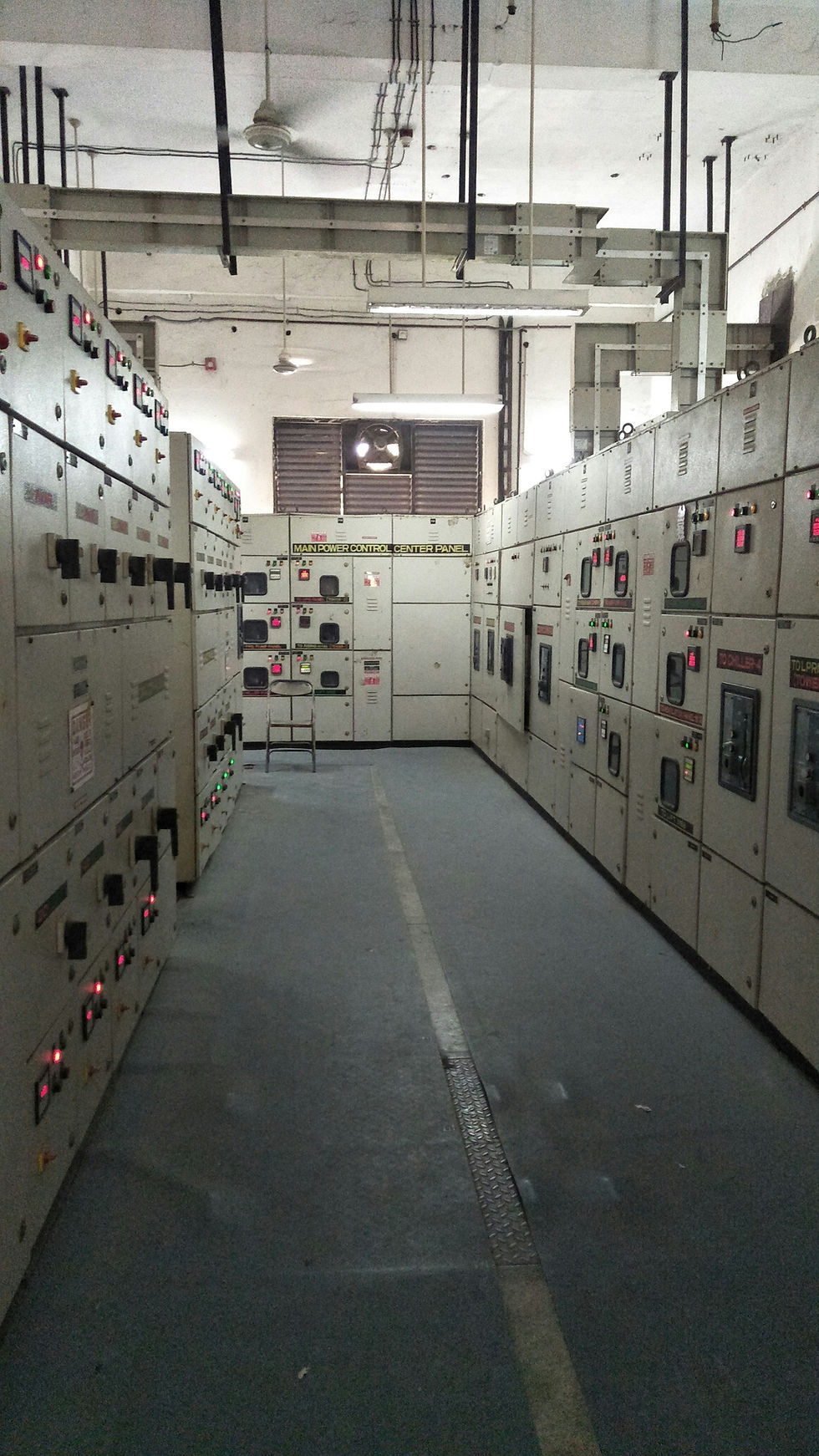
Your facility’s electrical room powers everything — yet it’s one of the most overlooked risks in commercial and industrial buildings. Electrical failures remain a leading cause of structure fires, equipment failures, and unplanned downtime, often stemming from issues hidden behind closed panels.
According to the National Fire Protection Association (NFPA), electrical distribution equipment is involved in about 13% of fires in industrial facilities. These failures are not only dangerous — they’re often entirely preventable.
That’s where infrared thermography comes in.
What Is Infrared Thermography?
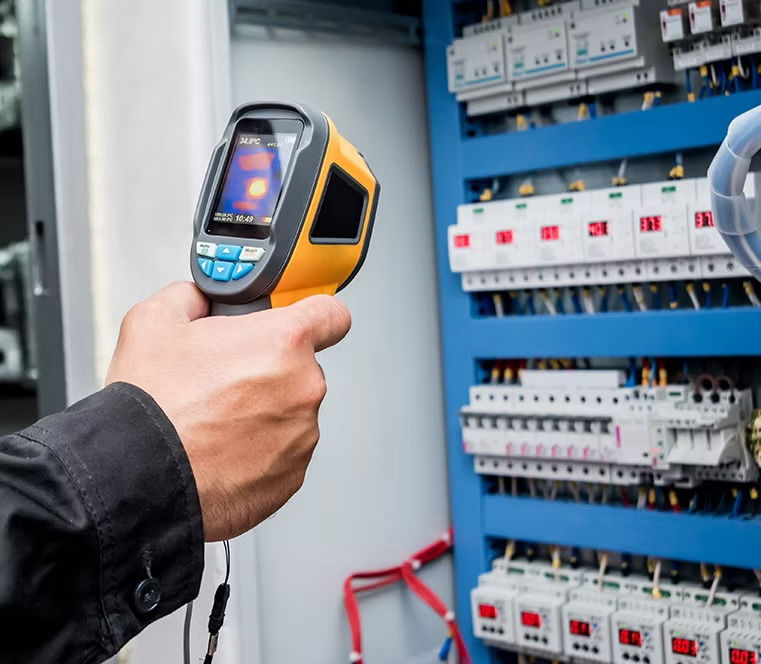
Infrared thermography (IR) is a non-invasive diagnostic tool that uses thermal imaging cameras to detect “hot spots” in electrical systems — areas that are overheating, overloaded, or failing.
It can uncover issues such as:
Loose or corroded connections
Imbalanced electrical loads
Overloaded circuits
Failing breakers or components
Hidden faults in panels or switchgear
These hidden defects may not be visible during routine visual inspections — and many don’t cause symptoms until it’s too late.
Why You Need Annual Infrared Electrical Inspections
Here’s why annual infrared inspections should be standard practice for commercial buildings, industrial facilities, resorts, hotels, and campuses:
1. Prevent Fires & Equipment Failures
Catching a single overheating breaker early can prevent catastrophic fire loss and save millions in repair and downtime costs.
2. Meet NFPA 70B Compliance
As of 2023, the updated NFPA 70B guidelines formally recommend condition-based maintenance using thermography as a best practice for electrical systems.
3. Minimize Downtime
IR scans are non-disruptive — they can be performed while equipment is energized, allowing you to proactively plan repairs without unplanned shutdowns.
4. Insurance Advantages
Many insurers recognize IR inspections as a key loss-prevention strategy. In fact, insurance providers may offer premium discounts or require scans as part of risk mitigation.
The ROI Is Undeniable
Infrared thermography isn’t just smart — it’s cost-effective.
Studies by Hartford Steam Boiler and NFPA show that regular IR inspections deliver a 4–10x return on investment by preventing electrical fires, equipment failures, and business interruptions.
While the average infrared electrical inspection costs just a few thousand dollars per site, electrical fire claims often exceed $1 million in direct damages — not to mention months of operational downtime.
Infrared Inspections = Safer Facilities
At Assured NDT, we specialize in professional infrared electrical inspections tailored to your facility’s needs. We help our clients:
Maintain NFPA compliance
Identify and document hidden electrical risks
Create detailed maintenance reports
Improve safety and uptime
Lower insurance premiums through risk transparency
Whether you manage a resort, hospital, manufacturing plant, or large commercial complex, we help you stay ahead of electrical hazards.
Don’t Wait for a Fire to Find the Fault
The most dangerous electrical problems are the ones you can’t see — until they become a claim, a shutdown, or a disaster.
Annual infrared electrical inspections are the gold standard in modern facility maintenance. Make them part of your plan.
Schedule Your Infrared Electrical Inspection Today
Want to protect your people, property, and profitability? Let Assured NDT help you implement a NFPA-compliant infrared thermography program that saves time, money, and lives. Contact Us to learn more or request a quote.
Annual Infrared Electrical Inspections for Commercial Facilities
1) Why should infrared electrical inspections be performed annually?
Annual infrared inspections identify hidden electrical issues like overheating, loose connections, or load imbalances before they lead to system failure or downtime. NFPA 70B (2023) now requires annual infrared thermography for all energized systems to ensure ongoing safety and reliability.
2) What are the risks of skipping an annual infrared inspection?
Without proactive inspections, undetected electrical faults can cause equipment failure, unplanned outages, fires, and costly emergency repairs. Even a single failure can result in major business interruption and safety hazards.
3) What types of facilities benefit most from infrared inspections?
All commercial and industrial facilities benefit — including data centers, manufacturing plants, hospitals, hotels, retail spaces, and office buildings — where uninterrupted electrical service is critical to operations.
4) What equipment should be inspected during an infrared survey?
Infrared thermography should cover switchgear, panelboards, MCCs, transformers, disconnects, distribution panels, bus ducts, and control panels — essentially any energized electrical component carrying significant load.
5) How does infrared thermography work?
Thermography uses infrared cameras to detect and visualize heat signatures. Electrical components that are overloaded, loose, or deteriorating generate excess heat, which appears as temperature anomalies on a thermal image — allowing corrective action before failure.
6) How long does a typical infrared electrical inspection take?
The duration depends on facility size and equipment count. Most inspections are completed within one business day and are performed without disrupting operations since systems remain energized during scanning.
7) Can infrared inspection reports help with insurance and compliance?
Yes. Infrared reports provide documented proof of proactive maintenance — supporting NFPA 70B compliance, satisfying OSHA and insurance requirements, and demonstrating a commitment to risk reduction and safety.
8) Why choose Assured NDT for annual infrared inspections?
Assured NDT’s Level II Certified Thermographers deliver NFPA 70B-compliant inspections with actionable reports, detailed images, and recommendations that help prevent downtime, reduce liability, and improve energy efficiency across your facility.