How to Be NFPA 70B Compliant

Ensuring electrical equipment operates safely and reliably is a top priority for any facility. The National Fire Protection Association’s NFPA 70B standard offers clear guidance on maintaining electrical systems to prevent failures and hazards. But how do you take the right steps to meet this standard? I’ll walk you through the essential actions to achieve NFPA 70B compliance and keep your plant or property running smoothly.

Understanding NFPA 70B and Its Importance
NFPA 70B is a recommended practice for electrical equipment maintenance. It focuses on preventive maintenance to reduce the risk of electrical failures, fires, and downtime. The standard covers a wide range of equipment, including motors, transformers, switchgear, and wiring systems.
Following NFPA 70B helps you:
Extend the life of electrical equipment
Improve safety for personnel and property
Reduce unexpected outages and costly repairs
Comply with insurance and regulatory requirements
Meeting NFPA 70B is not just about ticking boxes. It’s about building a maintenance program that protects your assets and people. The steps I’ll outline will help you create a practical, effective plan.
Step 1: Conduct a Thorough Electrical Equipment Inventory
Start by identifying all electrical equipment in your facility. This includes motors, generators, switchgear, transformers, circuit breakers, and control panels. Document each item’s make, model, age, and location.
A detailed inventory helps you prioritize maintenance based on equipment criticality and condition. It also provides a baseline for tracking inspections and repairs.
Step 2: Develop a Preventive Maintenance Plan
With your inventory in hand, create a maintenance schedule tailored to each piece of equipment. NFPA 70B recommends different inspection and testing intervals depending on equipment type and operating environment.
Your preventive maintenance plan should include:
Visual inspections for signs of wear, corrosion, or damage
Cleaning to remove dust, dirt, and moisture
Lubrication of moving parts
Electrical testing such as insulation resistance and contact resistance measurements
For example, motors in harsh environments may need quarterly inspections, while others can be checked annually. Adjust your plan based on manufacturer recommendations and past maintenance records.
Step 3: Use Reliable Testing and Diagnostic Tools
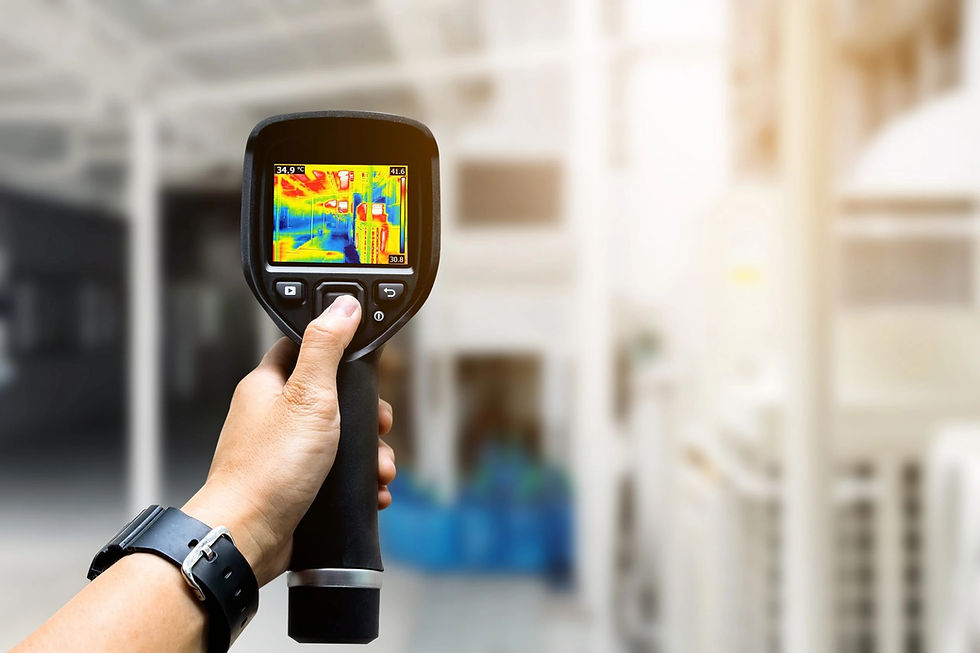
Accurate testing is key to spotting problems early. Tools like insulation resistance testers, infrared cameras, and vibration analyzers help detect issues before they cause failures.
One product that supports this process is the Electrical Maintenance Diagnostic Kit. It includes a range of instruments designed for comprehensive electrical testing. Using such a kit ensures you follow NFPA 70B’s testing guidelines effectively. Learn more about this kit here.
Step 4: Train Your Maintenance Team
Your team must understand NFPA 70B requirements and how to perform inspections and tests correctly. Provide training on:
Equipment operation and hazards
Proper use of diagnostic tools
Recordkeeping and reporting procedures
Regular training keeps skills sharp and ensures consistent maintenance quality. It also helps your team recognize early warning signs of electrical problems.
Step 5: Implement a Recordkeeping System
Document every inspection, test, repair, and replacement. Good records show compliance and help identify trends or recurring issues.
Consider using a computerized maintenance management system (CMMS) to track work orders, schedules, and equipment history. This makes it easier to generate reports and plan future maintenance.
Step 6: Schedule Regular Audits and Reviews
Periodically review your maintenance program to ensure it meets NFPA 70B standards and your facility’s needs. Audits can reveal gaps or inefficiencies.
Use audit findings to update procedures, retrain staff, or invest in better tools. Continuous improvement keeps your program effective and compliant.
Step 7: Address Repairs Promptly and Safely
When inspections uncover problems, act quickly to fix them. Delaying repairs can lead to equipment failure or safety hazards.
Follow lockout/tagout procedures and safety protocols during repairs. If needed, bring in certified electricians or specialists to handle complex issues.
Step 8: Consider Professional Non-Destructive Testing Services
Sometimes, internal inspections and basic tests are not enough. Non-destructive testing (NDT) methods like ultrasonic testing, thermography, and partial discharge analysis provide deeper insights into equipment condition without causing damage.
For example, Assured NDT offers expert non-destructive testing and preventative diagnostics. Their services help detect hidden faults early, reducing the risk of costly failures and enhancing safety. Explore their offerings here.

Step 9: Stay Updated on NFPA 70B Revisions and Industry Best Practices
NFPA standards evolve to reflect new technology and lessons learned. Keep up with updates to NFPA 70B and related standards.
Join industry groups, attend training sessions, and subscribe to relevant publications. Staying informed helps you maintain compliance and improve your maintenance program.
Step 10: Use Quality Replacement Parts and Equipment
When repairs or upgrades are necessary, use parts that meet or exceed original specifications. Poor-quality components can cause failures and void warranties.
For electrical maintenance, products like the Premium Electrical Contact Cleaner can improve equipment reliability by removing contaminants without damaging components. Check out this product here.

Final Thoughts on How to Be NFPA 70B Compliant
Achieving NFPA 70B compliance is a step-by-step process that requires planning, training, and ongoing effort. By taking a structured approach, you reduce risks, extend equipment life, and improve safety.
Remember, compliance is not a one-time task. It’s a continuous commitment to maintaining your electrical systems at their best. Use the right tools, keep detailed records, and don’t hesitate to seek expert help when needed.
If you want to learn more about how to get nfpa 70b compliant, start by assessing your current maintenance program and identifying gaps. Then, build your plan around the steps outlined here. Taking these actions today will protect your facility tomorrow.
Contact Assured NDT today for a quote.