NFPA 70B vs OSHA: What Facility Managers Need to Know in 2026

As electrical maintenance requirements continue to evolve, many facility managers are asking the same question: "What is the difference between NFPA 70B and OSHA?"
The confusion is understandable. OSHA can issue citations and fines, while NFPA 70B is a consensus standard. Yet both play a critical role in electrical safety, maintenance, and risk management.
In 2026, understanding the relationship between NFPA 70B vs OSHA is more important than ever. Insurance carriers, auditors, safety professionals, and facility owners are placing increased emphasis on proactive electrical maintenance programs that reduce risk and prevent failures.
At Assured NDT, we work with facility managers, maintenance teams, and safety professionals nationwide to help identify electrical hazards before they result in injuries, downtime, or costly repairs.
This guide explains how OSHA and NFPA 70B work together and what your facility should be doing today.

Quick Answer: Is NFPA 70B Required by OSHA?
Not directly. OSHA does not specifically mandate compliance with NFPA 70B. However, OSHA requires employers to provide a workplace free from recognized hazards.
NFPA 70B is widely recognized as an industry best practice for electrical equipment maintenance. As a result, OSHA investigations and legal proceedings often reference NFPA standards when evaluating whether an employer took reasonable steps to identify and mitigate electrical hazards.
In short: OSHA enforces safety outcomes, while NFPA 70B provides the roadmap for achieving them.
What Is OSHA?
The Occupational Safety and Health Administration (OSHA) is the federal agency responsible for protecting workers from workplace hazards.
OSHA regulations require employers to:
Maintain safe workplaces
Identify hazards
Train employees
Implement safe work practices
Protect workers from electrical risks
Failure to comply can result in:
Citations
Financial penalties
Increased liability
Worker injuries
Legal exposure
For facility managers, OSHA focuses on the outcome: ensuring employees are not exposed to unnecessary electrical hazards.
What Is NFPA 70B?
NFPA 70B: Standard for Electrical Equipment Maintenance provides detailed guidance on maintaining electrical systems to ensure safety and reliability.
The 2023 edition transformed NFPA 70B from a recommended practice into a formal standard.
It focuses on:
Preventive maintenance
Condition-based maintenance
Equipment inspections
Infrared thermography
Electrical testing
Documentation
Corrective actions
The goal is simple: Identify problems before they become failures.
How NFPA 70B and OSHA Work Together
Many people mistakenly believe NFPA 70B and OSHA are competing requirements.
They're not.
Think of it this way:
OSHA | NFPA 70B |
Enforces workplace safety | Provides maintenance guidance |
Issues citations and penalties | Establishes industry best practices |
Focuses on worker protection | Focuses on equipment reliability |
Requires hazard mitigation | Provides methods for hazard identification |
A strong NFPA 70B maintenance program helps support OSHA compliance by reducing electrical hazards before employees are exposed to them.
Why NFPA 70B Matters More in 2026
Several trends are increasing the importance of NFPA 70B:
Aging Infrastructure
Many commercial and industrial facilities operate equipment that is decades old.
Older systems are more likely to experience:
Loose connections
Insulation degradation
Overheating
Equipment failure
Increased Electrical Demand
Modern facilities consume more power than ever before.
Examples include:
AI and data centers
Electrification initiatives
Advanced manufacturing
Renewable energy integration
These increased loads create additional stress on electrical infrastructure.
Insurance Requirements
Many insurance carriers are increasingly requesting:
Infrared inspection reports
Electrical maintenance records
Risk mitigation documentation
NFPA 70B-aligned maintenance programs help demonstrate proactive risk management.
NFPA 70B and Infrared Thermography
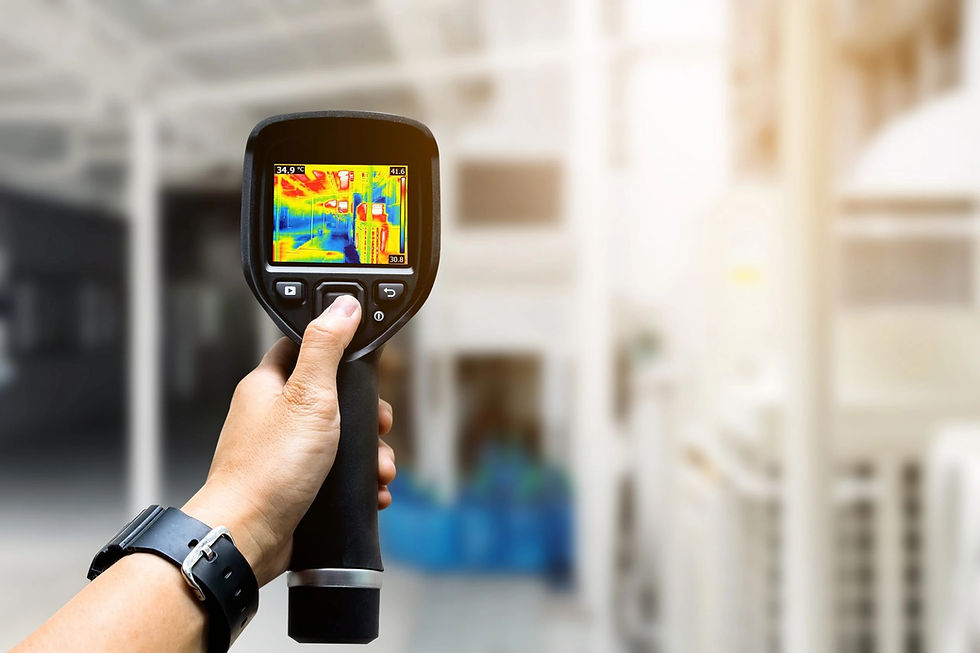
One of the most discussed aspects of NFPA 70B is its emphasis on infrared inspections.
Infrared thermography helps identify:
Loose electrical connections
Overloaded circuits
Failing breakers
Transformer overheating
Phase imbalance
Hidden electrical hot spots
These conditions often develop long before visible signs of failure appear.
Infrared inspections provide facility managers with actionable data to reduce risk and prioritize maintenance.
What Facility Managers Should Be Doing Right Now
To align with NFPA 70B and support OSHA compliance, facility managers should:
1. Develop a Condition-Based Maintenance Program
Move beyond reactive maintenance and establish a proactive inspection strategy.
2. Schedule Annual Infrared Inspections
Thermal imaging helps identify developing electrical issues before they result in downtime or safety incidents.
3. Maintain Detailed Documentation
Keep records of:
Inspections
Repairs
Testing
Corrective actions
Documentation is critical during audits, insurance reviews, and incident investigations.
4. Train Maintenance Personnel
Ensure teams understand:
Electrical hazards
Safe work practices
NFPA standards
OSHA requirements
5. Address Findings Promptly
Inspection reports provide value only when corrective actions are completed.
Common Misconceptions About NFPA 70B and OSHA
Myth #1: NFPA 70B Is Optional
While OSHA may not specifically mandate NFPA 70B, the standard increasingly represents what regulators, insurers, and industry experts consider reasonable maintenance practice.
Myth #2: Visual Inspections Are Enough
Many electrical failures occur inside equipment where overheating cannot be seen without thermal imaging.
Myth #3: Maintenance Is Cheaper Than Inspections
Emergency repairs, downtime, and electrical failures often cost significantly more than preventive maintenance programs.
Why Facilities Partner with Assured NDT
Assured NDT helps organizations strengthen electrical safety programs through:
Infrared thermography inspections
Electrical system assessments
NFPA 70B support
Condition-based maintenance strategies
Detailed reporting and recommendations
Our team helps facility managers identify hidden risks before they become costly failures.
Prepare Your Facility for 2026
The conversation is no longer about whether electrical maintenance matters.
It's about whether your facility is doing enough to reduce risk, improve reliability, and protect employees.
A proactive maintenance program aligned with NFPA 70B can help support OSHA compliance while improving equipment performance and reducing downtime.
📞 Contact Assured NDT today to learn how infrared inspections can support your maintenance and safety goals, and more about NFPA 70B vs OSHA.
FAQs: NFPA 70B vs OSHA
1. Is NFPA 70B required by OSHA?
OSHA does not directly require NFPA 70B compliance, but the standard is widely recognized as a best practice for maintaining electrical equipment and reducing hazards.
2. What is the difference between OSHA and NFPA 70B?
OSHA enforces workplace safety regulations, while NFPA 70B provides guidance for electrical equipment maintenance and reliability.
3. Does NFPA 70B require infrared inspections?
NFPA 70B emphasizes condition-based maintenance and recognizes infrared thermography as an important diagnostic tool for evaluating energized electrical equipment.
4. Can following NFPA 70B help with OSHA compliance?
Yes. A well-documented NFPA 70B maintenance program can help demonstrate proactive efforts to identify and mitigate electrical hazards.
5. Why are insurance companies interested in NFPA 70B?
Insurance carriers increasingly view preventive maintenance and infrared inspections as tools for reducing electrical failures, fire risk, and business interruption claims.
6. How often should electrical systems be inspected?
Inspection frequency depends on equipment condition and criticality, but many facilities perform annual infrared inspections as part of a condition-based maintenance program.