How Often Should You Perform Infrared Electrical Inspections? (NFPA 70B Explained)

Updated: Apr 10
Infrared electrical inspections have long been recognized as one of the most effective tools for preventing electrical failures, fires, and unplanned downtime. But with the 2023 update to NFPA 70B, a common question has taken on new urgency: How often should infrared electrical inspections be performed?
The answer is no longer based on “best practice” or insurance preference alone. Under NFPA 70B, inspection frequency is now a formal requirement tied to electrical safety, reliability, and documented maintenance programs.
At Assured NDT, we help facilities across the U.S. meet NFPA 70B infrared inspection requirements with compliant inspections, clear reporting, and practical maintenance guidance. Below, we break down exactly what NFPA 70B requires — and how often inspections should be performed.

What Is an Infrared Electrical Inspection?
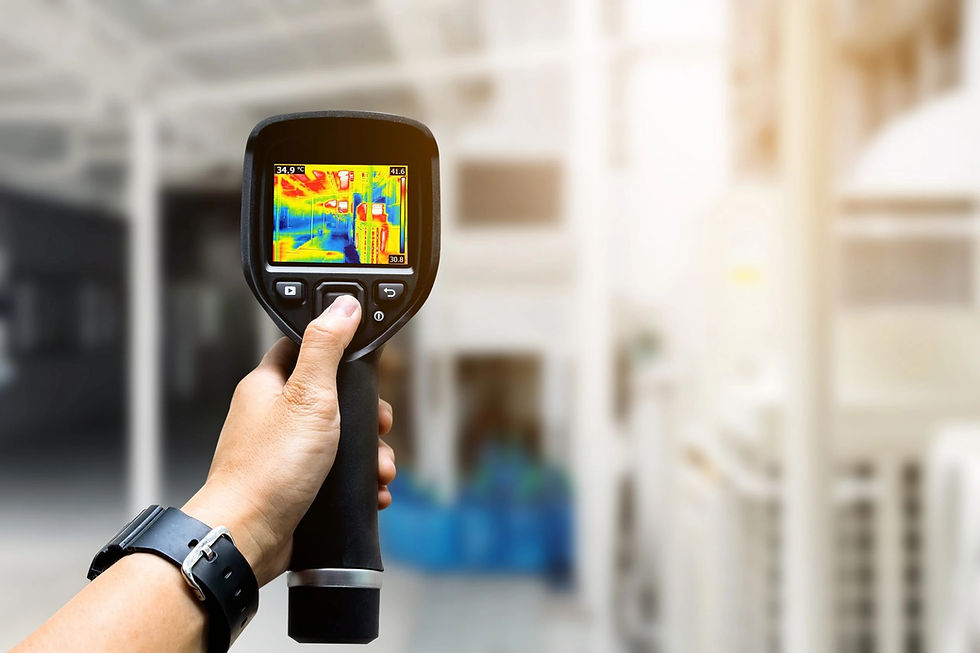
An infrared electrical inspection uses thermal imaging cameras to identify abnormal heat patterns in energized electrical equipment. Excess heat is often an early warning sign of:
Loose or corroded connections
Overloaded circuits
Failing breakers or fuses
Phase imbalance
Insulation breakdown
Deteriorating components
Because inspections are non-contact and performed while equipment remains energized, infrared thermography allows problems to be detected before failure occurs, without interrupting operations.
What NFPA 70B Says About Infrared Inspection Frequency
The 2023 edition of NFPA 70B shifted electrical maintenance from recommended practices to mandatory requirements. One of the most significant changes is the formal adoption of condition-based maintenance (CBM) — with infrared thermography as a core diagnostic tool.
Minimum Requirement Under NFPA 70B
For most commercial and industrial facilities:
Infrared electrical inspections must be performed at least annually on energized electrical equipment.
This annual requirement applies to systems such as:
Electrical panels and switchgear
MCCs and drives
Breakers and disconnects
Transformers
UPS and ATS systems
Motors and critical distribution equipment
Annual inspections are now considered the baseline, not the maximum.
When Infrared Inspections Should Be Performed More Frequently
NFPA 70B allows inspection frequency to increase based on risk and condition. Facilities should perform infrared inspections more often than annually when:
1. Equipment Is Mission-Critical
Facilities such as hospitals, data centers, manufacturing plants, and high-rise buildings often require semi-annual or quarterly inspections due to the impact of failure.
2. Previous Inspections Found Deficiencies
If thermal anomalies are identified, NFPA 70B expects:
Corrective action
Follow-up inspections
Verification that repairs were successful
3. Electrical Loads Have Increased
System upgrades, EV charging, process expansion, or tenant changes can significantly increase electrical demand — justifying more frequent inspections.
4. Equipment Is Aging
Older electrical infrastructure is more susceptible to loose connections, insulation breakdown, and component fatigue.
5. Harsh Environmental Conditions Exist
Heat, humidity, vibration, dust, and corrosion — common in Florida and coastal regions — accelerate degradation and warrant shorter inspection intervals.
NFPA 70B and Condition-Based Maintenance (CBM)
NFPA 70B requires facilities to move away from time-only schedules and toward maintenance based on actual equipment condition.
This means:
Annual infrared inspections establish a baseline
Findings determine maintenance priority
Severity ratings guide repair timing
Trend data informs future inspection frequency
Infrared thermography is not a “check-the-box” activity — it is a decision-making tool under NFPA 70B.
Documentation Requirements Under NFPA 70B
Frequency alone is not enough. NFPA 70B requires facilities to maintain documentation including:
Date of inspection
Equipment inspected
Thermal images
Temperature differentials (Delta-T)
Severity classification
Recommended corrective actions
Verification of completed repairs
Assured NDT provides audit-ready reports designed to meet NFPA 70B, OSHA, and insurance requirements.
Why Annual Infrared Inspections Are the Smart Minimum
Even outside of compliance, annual infrared inspections deliver measurable benefits:
Reduced risk of electrical fires
Fewer emergency repairs
Extended equipment life
Improved system reliability
Lower insurance exposure
Better capital planning
Many facilities see a 5–10x return on investment from annual inspections alone.
Why Facilities Trust Assured NDT for NFPA 70B Compliance
Assured NDT provides:
Certified thermographers
NFPA 70B-compliant inspection protocols
Severity-based reporting and prioritization
Minimal operational disruption
Nationwide service coverage
Support for condition-based maintenance programs
We don’t just identify problems — we help you manage them intelligently.
Plan Your NFPA 70B Infrared Inspections with Confidence
If you’re planning maintenance budgets or preparing for inspections, Assured NDT can help you determine the right inspection frequency for your facility under NFPA 70B.
Contact Assured NDT to schedule an inspection or consultation👉 www.assuredndt.com/contact
FAQs: NFPA 70B Infrared Inspection Frequency
1. How often does NFPA 70B require infrared inspections?
NFPA 70B requires infrared electrical inspections to be performed at least annually for energized electrical equipment.
2. Can inspections be performed more frequently than once per year?
Yes. High-risk, mission-critical, aging, or heavily loaded systems often require semi-annual or quarterly inspections.
3. Does NFPA 70B apply to commercial buildings?
Yes. NFPA 70B applies to commercial, industrial, institutional, and multi-facility environments with energized electrical systems.
4. Are follow-up inspections required after repairs?
Yes. NFPA 70B expects follow-up inspections to verify that corrective actions resolved identified thermal issues.
5. Who is qualified to perform NFPA 70B infrared inspections?
Inspections must be performed by qualified personnel, typically certified thermographers using calibrated equipment.