Understanding the Thermography Regulations in NFPA 70B: What Every Facility Manager Should Know

Updated: Apr 10
Why Thermography Is Central to NFPA 70B Compliance
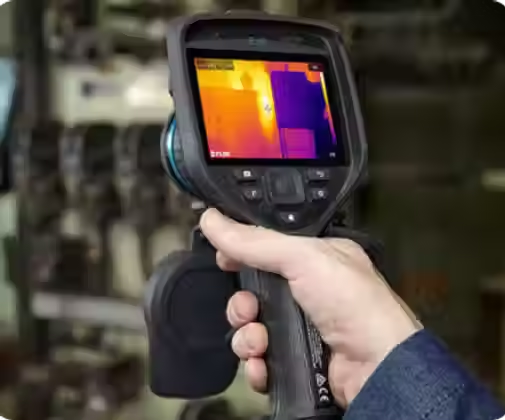
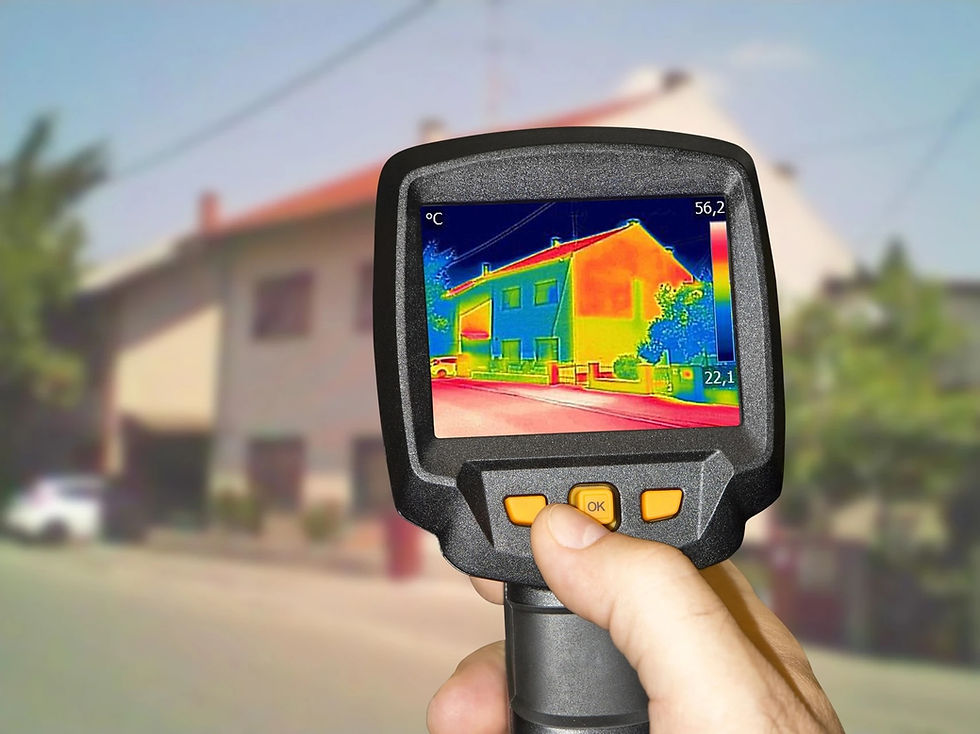
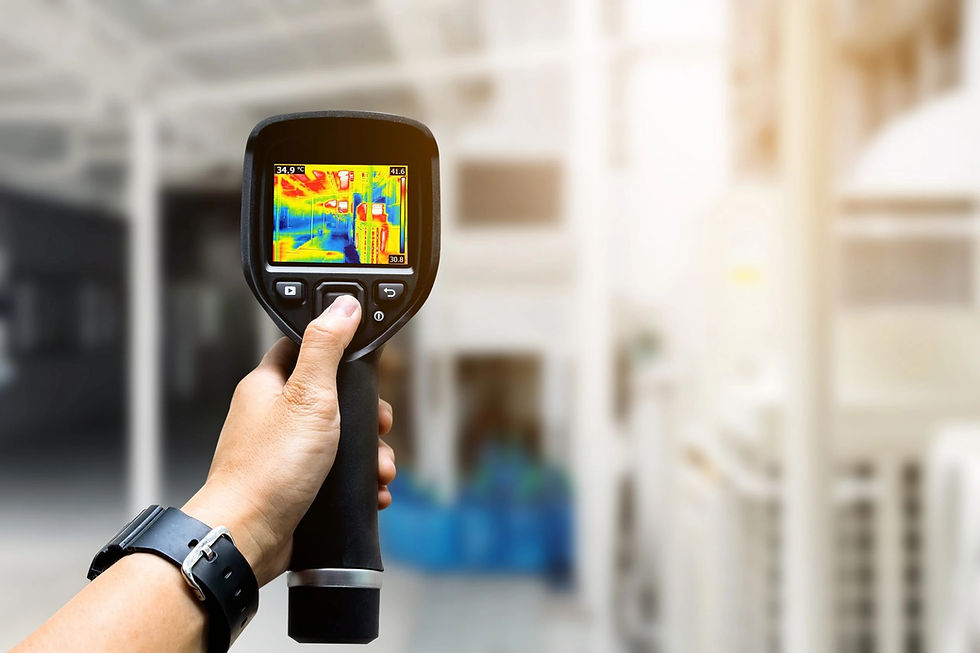
Infrared thermography isn’t new — it’s been a cornerstone of electrical maintenance for decades. But under the 2023 NFPA 70B update, thermography has moved from being a recommended best practice to a mandatory inspection method for all energized electrical systems.
The update reflects NFPA’s recognition that heat signatures reveal problems before they fail — and that proactive thermal imaging is the most effective way to reduce downtime, fires, and electrical hazards.
At Assured NDT, we’ve built our inspection programs around these standards, ensuring every facility we serve meets both NFPA and OSHA compliance with confidence.
What NFPA 70B Says About Thermography
The new standard dedicates an entire section to infrared thermography and inspection procedures — detailing who can perform inspections, how they should be done, and what must be documented.
Here’s what facilities and maintenance teams need to know:
Qualified Thermographers Are Required
NFPA 70B now mandates that all infrared inspections be performed by trained, certified thermographers.
Specifically, it requires an ASTM Certified Thermographer, trained in:
Electrical system safety and configuration
Thermal data interpretation
Recognition of temperature anomalies
Infrared camera calibration and settings
Assured NDT’s team includes ASTM Certified Master Thermographers, each with years of field experience inspecting energized systems across industrial, commercial, and institutional environments.
Infrared Inspections Must Be Conducted on Energized Equipment
Per NFPA 70B Section 11.17.5.1, infrared inspections must be performed while the electrical equipment is energized and under normal load conditions.
Why? Because real-world load reveals problems that static inspections cannot — such as:
Unbalanced loads
Loose or corroded terminations
Overloaded breakers or fuses
Phase imbalances and insulation degradation
Inspection Frequency: At Least Annually
NFPA 70B 2023 requires annual infrared thermography inspections of all energized electrical systems.
However, more frequent inspections are advised for:
High-risk or mission-critical systems
Facilities with environmental or load variations
Equipment with prior thermal anomalies
These inspection intervals should be documented in your facility’s Electrical Maintenance Plan (EMP) as part of a condition-based maintenance schedule.
Equipment Calibration and Environmental Conditions
NFPA 70B 11.17.4 specifies that all infrared cameras must:
Be calibrated to recognized standards
Operate with adequate thermal resolution
Consider ambient temperature, humidity, and emissivity
Proper calibration ensures that your ΔT (temperature differential) readings are precise and repeatable — a key element of defensible compliance reports.
At Assured NDT, all our thermal imagers undergo annual NIST-traceable calibration to meet NFPA and ISO requirements.
Required Documentation for NFPA 70B Compliance
Perhaps the most critical part of thermography compliance is reporting.NFPA 70B outlines detailed documentation requirements to prove due diligence and compliance.
Each inspection report must include:
Visual and thermal images of inspected components
Measured load percentage during imaging
Temperature differential (ΔT) and severity classification
Recommended corrective actions
Thermographer qualifications and camera calibration date
Assured NDT provides comprehensive, audit-ready reports that satisfy both NFPA 70B and OSHA 1910 Subpart S documentation standards.
How Thermography Supports the Electrical Cycle of Safety™
NFPA 70B aligns directly with NFPA 70 (NEC) and NFPA 70E to create the Electrical Cycle of Safety™ — a holistic approach to safe system installation, maintenance, and operation.
Infrared thermography plays a vital role in this cycle by:
Identifying early signs of failure before equipment degrades
Reducing exposure risk for maintenance personnel
Informing predictive and preventive maintenance decisions
Supporting NFPA 70E arc flash risk assessments
In short, thermography is now a required link in maintaining electrical system reliability and compliance.
Assured NDT: Setting the Standard in NFPA 70B Thermography
Assured NDT’s thermography programs are designed to exceed NFPA 70B’s 2023 standards. We deliver inspections that are accurate, certified, and fully documented for compliance audits.
Our services include: ✅ Annual NFPA 70B-compliant IR inspections ✅ Certified thermographers ✅ NIST-traceable camera calibration ✅ Comprehensive ΔT trending and data management ✅ Corrective action recommendations and re-inspections
Whether you manage an industrial plant, healthcare facility, or commercial property — we help you achieve full compliance while improving reliability and uptime.
The Bottom Line: Compliance and Safety Go Hand-in-Hand
The NFPA 70B 2023 thermography requirements are more than code — they’re a commitment to protecting life, property, and productivity.
By implementing certified, annual thermographic inspections, you demonstrate a proactive stance toward safety, reduce insurance risk, and extend the lifespan of your electrical infrastructure.
Contact Assured NDT today to schedule your NFPA 70B-compliant infrared inspection.
Frequently Asked Questions About NFPA 70B Thermography Requirements
1. Who can perform NFPA 70B-compliant infrared inspections?
Only Level II or higher certified thermographers with formal training and experience in electrical system inspections.
2. How often must infrared inspections be performed?
At least once per year — or more frequently for critical systems or environments with fluctuating loads.
3. Can thermography be performed on de-energized systems?
No. NFPA 70B mandates that all thermographic inspections be performed on energized equipment under normal load.
4. What must be included in a compliant thermography report?
Reports must include thermal and visual images, load data, temperature differentials, severity classifications, and corrective recommendations.
5. How does Assured NDT ensure compliance with NFPA 70B?
Assured NDT provides certified thermographers, calibrated imaging equipment, and NFPA 70B-compliant reporting that meets OSHA and insurance documentation standards.
Contact Assured NDT today to schedule your NFPA 70B-compliant infrared inspection.