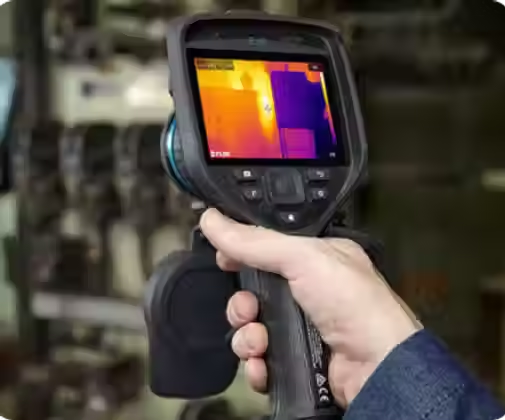
Why Infrared Thermography is Essential for NFPA 70B Compliance in Commercial and Industrial Facilities

Updated: Oct 23, 2025
What is NFPA 70B and Why Is It Important?
In 2023, NFPA 70B underwent a major revision that transformed it from a recommended guideline into a mandatory standard for electrical preventive maintenance. This change has significant implications for facilities with energized equipment, particularly in manufacturing, data centers, healthcare, and commercial real estate.
Facilities are now required to implement Condition-Based Maintenance (CBM) strategies for electrical systems — moving away from purely time-based or reactive approaches. The goal? Improve reliability, reduce downtime, and minimize fire and electrical hazards before they cause catastrophic losses.

Infrared Thermography NFPA 70B: The Heart of Condition-Based Maintenance
At the core of NFPA 70B’s new requirements is infrared thermography — a proven, non-intrusive method of identifying electrical risks before they become failures.
With IR imaging, our certified technicians at Assured NDT can detect:
Loose or corroded electrical connections
Overloaded circuits and imbalanced loads
Deteriorating insulation or breakers
Hot spots and hidden faults invisible to the naked eye
These insights allow facility managers to prioritize repairs, reduce unplanned outages, and extend the lifespan of critical systems — all while staying in full compliance with national codes.
Avoid Downtime and Costly Repairs
Failure to comply with NFPA 70B isn’t just a regulatory risk — it’s a business risk.
Up to 80% fewer electrical failures
Significantly reduced fire/explosion incidents
Lower insurance premiums and fewer claims
With typical inspection costs ranging from $1,500–$10,000 per year per facility, it’s a high-ROI investment that protects your assets, people, and bottom line.
Who Should Act Now?
If your facility includes:
Electrical panels or switchgear
Motor control centers
Transformers or substations
Generators or backup power systems
then NFPA 70B applies to you, and infrared thermography should be part of your annual maintenance plan.
How Assured NDT Can Help
We specialize in NFPA 70B-compliant infrared inspections across Florida and the U.S., delivering:
Certified thermographers with Level I credentials
Detailed inspection reports with actionable data
Ongoing support to ensure compliance and continuous improvement
Schedule Your Inspection Today
Don’t wait until failure strikes. Schedule your infrared thermography inspection today and ensure you’re fully aligned with the new NFPA 70B standards.
Visit www.assuredndt.com/contact or call us at 561.660.2751 to request a free consultation.
Frequently Asked Questions: Infrared Thermography and NFPA 70B Compliance
1) What is NFPA 70B and why is it important?
NFPA 70B is the Standard for Electrical Equipment Maintenance, published by the National Fire Protection Association. The 2023 update made it a mandatory standard, requiring electrical systems to undergo documented, condition-based maintenance — including annual infrared inspections.
2) How does infrared thermography relate to NFPA 70B compliance?
Infrared thermography is one of the core diagnostic tools recognized by NFPA 70B for detecting electrical faults like overheating, loose connections, or insulation failures before they cause unplanned downtime or safety hazards.
3) Is infrared thermography required for all commercial and industrial facilities?
Yes — if your facility operates energized electrical systems, NFPA 70B requires you to perform infrared inspections annually as part of your preventive maintenance program.
4) What equipment should be inspected using infrared thermography?
Typical inspection targets include switchgear, transformers, MCCs, breakers, bus ducts, panelboards, disconnects, and other energized components that support power distribution in your facility.
5) What are the main benefits of infrared inspections under NFPA 70B?
They improve system reliability, reduce fire risk, extend equipment life, and help demonstrate regulatory compliance to OSHA, insurers, and auditors.
6) What qualifications must a thermographer have under NFPA 70B?
Inspections must be performed by a Level II Certified Thermographer or higher, trained to recognize and document electrical anomalies according to ISO 18436-7 and NFPA 70B requirements.
7) How often should infrared inspections be conducted?
NFPA 70B (2023) specifies annual thermography inspections for all energized electrical equipment, or more frequently in high-load or critical environments.
8) How does Assured NDT help facilities stay compliant?
Assured NDT provides NFPA 70B-compliant infrared inspections, performed by certified thermographers, complete with actionable reports, high-resolution thermal images, and maintenance recommendations to ensure your facility meets safety and compliance standards.