Top 5 Hotel Engineering Risk Management Strategies Every Facility Director Should Know

Updated: Oct 23, 2025
In the hospitality industry, guest satisfaction and smooth operations are inseparable — and no one knows this better than chief engineers and facility directors. Hotel engineering teams carry the immense responsibility of keeping electrical, HVAC, and water systems running flawlessly while ensuring compliance and risk prevention.
To protect your property, reputation, and bottom line, here are the top 5 hotel engineering risk management strategies every hospitality facility should adopt.

1. Prioritize Preventive and Predictive Maintenance
Routine maintenance is the backbone of effective hotel engineering risk management. However, leading properties are shifting beyond traditional reactive fixes toward predictive and condition-based maintenance.
This approach includes:
Logging and tracking service intervals for all major equipment
Leveraging IoT sensors and performance data to anticipate failures
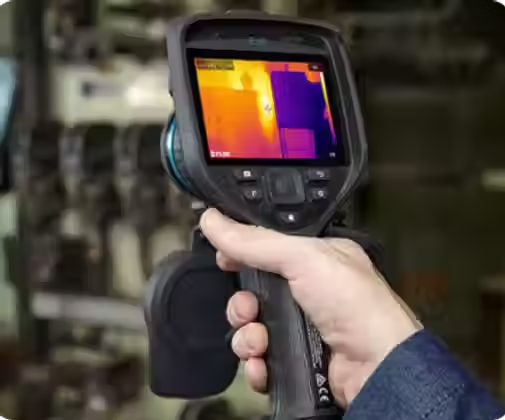
Partnering with vendors that provide advanced diagnostics, such as vibration analysis or infrared thermography
By moving to a predictive model, hotels can minimize costly breakdowns, extend the life of assets, and reduce unexpected disruptions that negatively impact guest experiences.
2. Schedule Annual Infrared Thermography Scans
Electrical system failures are a leading cause of hotel fires and downtime. Unfortunately, many issues remain invisible until they escalate into emergencies.
Infrared thermography inspections allow hotel engineers to:
Detect overheating breakers, panels, and transformers
Identify HVAC inefficiencies before peak-season failures
Ensure proper power distribution and load balancing
Stay compliant with NFPA 70B’s requirement for annual IR scans
These non-invasive inspections are quick, cost-effective, and demonstrate a proactive safety culture — keeping guests comfortable and facilities protected.
3. Stay Compliant with NFPA, OSHA & Local Codes
Risk management in hotel engineering isn’t only about uptime — it’s also about safety and compliance. Engineers must stay current with standards such as:
NFPA 70B & 70E: Preventive electrical maintenance and arc flash safety
OSHA 1910 Subpart S: Electrical system work practices
Local building and fire codes: Emergency lighting, signage, and panel access
Regular facility audits and third-party inspections reduce violations and ensure guest and staff safety. Compliance not only avoids fines — it also demonstrates due diligence to insurance carriers and ownership.
4. Develop a Risk-Based Emergency Response Plan
Unexpected events — from electrical failures to natural disasters — can create chaos if your team isn’t prepared. Every chief engineer should lead the creation of a documented emergency response plan that covers:
Critical equipment shutdown procedures
Backup power protocols and testing schedules
A vendor contact list for rapid emergency repairs
Guest safety, evacuation, and communication plans
Regular training and drills ensure that your team can act decisively during emergencies, minimizing downtime and protecting both guests and staff.
5. Digitize and Document Risk Management Practices
A strong hotel engineering risk management program isn’t complete without comprehensive documentation. Modern facilities rely on digital platforms to streamline reporting and compliance.
Best practices include:
Maintaining detailed inspection logs and repair records
Storing thermography reports, panel maps, and SOPs in the cloud
Using CMMS (Computerized Maintenance Management Software) for work order tracking and reporting
This documentation supports compliance, simplifies audits, and provides valuable data for budgeting, insurance claims, and long-term capital planning.
Final Thoughts: Turning Hotel Engineering Risk Management into a Competitive Advantage
In today’s hospitality market, downtime is unacceptable and safety is non-negotiable. By implementing these five hotel engineering risk management strategies, properties can:
Prevent costly equipment failures and downtime
Improve energy efficiency and extend asset lifespan
Protect guest safety and enhance reputation
Demonstrate proactive leadership to insurers and ownership groups
At Assured NDT, we specialize in helping hotel engineers strengthen their risk management posture with infrared thermography, arc flash studies, and compliance-driven inspections tailored to the hospitality industry.
Don’t wait for an unexpected failure to impact your guests. Contact AssuredNDT today to schedule your next inspection and safeguard your property.
Frequently Asked Questions About Hotel Engineering Risk Management
1. What is risk management in hotel engineering?
Risk management in hospitality involves identifying, assessing, and mitigating potential hazards that can affect guest safety, building systems, and operational uptime — such as electrical faults, HVAC failures, or water leaks.
2. Why is predictive maintenance important for hotels and resorts?
Predictive maintenance allows hotel engineers to detect early signs of equipment failure using diagnostics like infrared thermography and vibration analysis. It prevents downtime, ensures comfort, and protects guest satisfaction.
3. What are the most common risks hotel engineers face?
Typical risks include electrical system faults, unbalanced loads, HVAC breakdowns, water intrusion, and code non-compliance — all of which can lead to costly outages or safety issues.
4. How do NFPA and OSHA standards apply to hotels?
NFPA 70B and OSHA 1910 require safe electrical system maintenance and hazard identification. Compliance ensures guest and employee safety and can improve insurance ratings.
5. How can hotels prepare for emergency events?
Every facility should maintain an emergency response plan that includes power loss protocols, vendor contacts, and evacuation coordination — reducing confusion and liability during crises.
6. Why should hotels document maintenance activities?
Detailed maintenance records, thermography reports, and inspection logs demonstrate compliance and reduce insurance risk. They also help engineers make data-driven budget and capital planning decisions.
7. How does Assured NDT support hotel engineers and facility managers?
Assured NDT partners with hospitality facilities to deliver infrared inspections, arc flash studies, and NFPA 70B compliance programs — helping hotels reduce risk, improve uptime, and maintain top-tier guest experiences.
Contact Assured NDT to learn how our inspections help hotels reduce risk, stay compliant, and protect their reputation.