Top 5 Electrical Failures That Shut Down Manufacturing Plants
- Stephen Fike
- Jun 4
- 4 min read

Manufacturing plants depend on one thing above all else: Reliable electrical power.
Whether you're producing automotive parts, food products, chemicals, pharmaceuticals, building materials, or consumer goods, nearly every process relies on electrical systems operating safely and continuously.
Unfortunately, many manufacturing facilities learn the hard way that electrical failures rarely happen without warning.
A single electrical issue can lead to:
Production downtime
Missed delivery deadlines
Equipment damage
Safety incidents
Lost revenue
Emergency repair costs
According to industry studies, unplanned downtime can cost manufacturers thousands—or even hundreds of thousands—of dollars per hour depending on the operation.
The good news? Most electrical failures begin as small, detectable problems.
At Assured NDT, we help manufacturing facilities identify these risks through infrared thermography and predictive maintenance inspections before they result in costly shutdowns.
Let's examine the top five manufacturing electrical failures responsible for unplanned downtime and how they can be prevented.

Quick Answer: What Causes Most Manufacturing Electrical Failures?
The most common manufacturing electrical failures include:
Loose electrical connections
Overloaded circuits and equipment
Failing circuit breakers
Transformer overheating
Motor and motor control center (MCC) failures
Many of these problems generate abnormal heat long before equipment fails, making infrared thermography one of the most effective preventive maintenance tools available.
Why Manufacturing Plants Are Vulnerable to Electrical Failures
Manufacturing environments place extraordinary demands on electrical systems.
Facilities often operate:
24/7 production schedules
Heavy motors and drives
High-current equipment
Automated production lines
Complex distribution systems
These conditions accelerate wear and increase the likelihood of electrical failures.
Without proactive maintenance, small issues can quickly escalate into major outages.
1. Loose Electrical Connections
Loose electrical connections are one of the most common problems found during infrared inspections. Over time, vibration, thermal cycling, and normal operation can cause electrical connections to loosen. This creates resistance. Resistance creates heat. Heat eventually leads to failure.
Common Locations
Electrical panels
Switchgear
Bus bars
Disconnects
Motor control centers
Potential Consequences
Equipment damage
Electrical fires
Production shutdowns
Safety hazards
How Infrared Thermography Helps
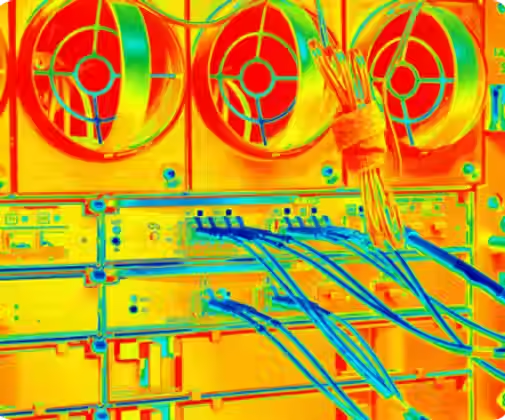
Thermal imaging quickly identifies overheating connections before failure occurs.
Many loose connections can be repaired during planned maintenance rather than emergency shutdowns.
2. Overloaded Circuits and Equipment
As production demands increase, electrical systems are often asked to do more than originally intended.
Overloaded circuits can occur when:
New equipment is added
Production lines expand
Load calculations become outdated
Electrical infrastructure ages
Warning Signs
Excessive heat
Frequent breaker trips
Reduced equipment performance
Electrical odors
Risks
Overloaded circuits increase the risk of:
Breaker failures
Equipment damage
Fire hazards
Production interruptions
Infrared inspections help identify overloaded components before they fail.
3. Failing Circuit Breakers
Circuit breakers are designed to protect equipment and personnel.
Unfortunately, breakers themselves can fail.
Internal wear, corrosion, mechanical degradation, and excessive loading can all impact breaker performance.
Why This Matters
A breaker that fails to operate properly can:
Allow equipment damage
Increase arc flash risk
Cause prolonged outages
Create safety concerns
What Infrared Inspections Reveal
Thermal imaging often identifies:
Internal breaker heating
Uneven temperatures
Excessive loading
Developing failures
These conditions are often invisible during visual inspections.
4. Transformer Overheating
Transformers are among the most critical assets in manufacturing facilities.
When transformers fail, entire production areas can lose power.
Common Causes
Excessive loading
Cooling system issues
Poor connections
Internal winding problems
Phase imbalance
Real-World Impact
Transformer failures frequently result in:
Extended downtime
Expensive repairs
Production losses
Emergency replacement costs
Infrared Advantage
Thermal imaging helps identify transformer hot spots before significant damage occurs.
5. Motor and Motor Control Center (MCC) Failures
Motors drive nearly every manufacturing operation.
Conveyors, pumps, compressors, fans, mixers, and production equipment all depend on reliable motor performance.
Common MCC Problems
Loose terminations
Overloaded starters
Failing contactors
Imbalanced loads
Overheated components
Consequences
Motor failures can:
Halt production lines
Delay shipments
Increase maintenance costs
Reduce overall equipment effectiveness (OEE)
Infrared thermography provides a fast and effective method for identifying these issues early.
The Hidden Cost of Electrical Downtime
The financial impact of an electrical failure extends far beyond repair costs.
Manufacturers may face:
Lost Production
Every minute of downtime affects output.
Labor Costs
Employees may remain idle during outages.
Expedited Shipping
Missed deadlines often require costly recovery efforts.
Equipment Damage
Secondary failures can multiply repair costs.
Customer Impact
Late deliveries can damage customer relationships.
Preventing failures is almost always less expensive than recovering from them.
How Infrared Thermography Helps Manufacturing Facilities
Infrared thermography allows maintenance teams to inspect energized equipment without disrupting operations.
Benefits include:
Early Problem Detection
Identify developing failures before breakdowns occur.
Improved Reliability
Reduce unexpected outages.
Increased Safety
Detect overheating electrical components before they become hazards.
Better Maintenance Planning
Schedule repairs during planned shutdowns.
Extended Equipment Life
Reduce stress on critical electrical assets.
NFPA 70B and Manufacturing Reliability
The updated NFPA 70B standard emphasizes condition-based maintenance and proactive electrical inspections. Infrared thermography plays a key role in:
Equipment condition monitoring
Preventive maintenance programs
Electrical reliability initiatives
Risk reduction strategies
Manufacturers increasingly use thermal inspections as part of comprehensive reliability programs.
Why Manufacturers Choose Assured NDT
Assured NDT helps manufacturing facilities improve reliability through:
Infrared thermography inspections
Electrical system assessments
NFPA 70B support
Predictive maintenance programs
Detailed reporting and recommendations
Our team helps identify hidden risks before they become costly failures.
Protect Your Plant Before Downtime Occurs
Electrical failures rarely happen without warning. The challenge is knowing where to look.
Infrared thermography provides a proven method for identifying hidden electrical issues before they result in production losses, equipment damage, or safety incidents.
Contact Assured NDT today to schedule an infrared inspection and strengthen your facility's reliability program.
Frequently Asked Questions
What are the most common manufacturing electrical failures?
The most common manufacturing electrical failures include loose electrical connections, overloaded circuits, failing breakers, transformer overheating, and motor control center failures.
How can infrared thermography prevent manufacturing downtime?
Infrared thermography identifies overheating electrical components before they fail, allowing maintenance teams to schedule repairs proactively.
What equipment should be inspected in a manufacturing facility?
Electrical panels, switchgear, transformers, MCCs, motors, UPS systems, and distribution equipment should all be included in inspection programs.
How often should manufacturing facilities perform infrared inspections?
Many facilities perform annual inspections, while critical production environments may benefit from semi-annual inspections.
Does NFPA 70B recommend infrared inspections?
NFPA 70B emphasizes condition-based maintenance and recognizes infrared thermography as a valuable diagnostic tool for evaluating electrical equipment.
What is the biggest cause of unexpected manufacturing downtime?
Electrical failures and equipment breakdowns are among the leading causes of unplanned manufacturing downtime.