Infrared Thermography for Cruise Ships and Cargo Vessels: Preventing Electrical Failures at Sea

Modern cruise ships and cargo vessels are floating cities. They rely on massive electrical systems to power:
Navigation systems
HVAC and refrigeration
Engine support equipment
Passenger operations
Cargo handling systems
Data and communications infrastructure
Emergency power systems
When electrical failures happen at sea, the consequences can be severe.
A single overheating connection or failing breaker can lead to:
⚠ Operational disruption
⚠ Loss of critical systems
⚠ Cargo damage
⚠ Passenger safety concerns
⚠ Expensive emergency repairs
⚠ Voyage delays
That’s why marine infrared thermography has become one of the most valuable predictive maintenance tools in the maritime industry.
At Assured NDT, we help marine operators identify hidden electrical issues before they become critical failures.

Quick Answer: Why Is Infrared Thermography Important for Ships?
Infrared thermography for cruise ships and cargo vessels helps detect overheating electrical components before they fail, improving safety, reducing downtime, and protecting critical shipboard systems.
Why Marine Electrical Systems Face Unique Risks
Shipboard electrical systems operate in extremely demanding environments.
Common stress factors include:
Salt air corrosion
Constant vibration
High humidity
Heavy electrical loads
Continuous operation
Limited maintenance windows
These conditions accelerate:
Loose connections
Insulation degradation
Corrosion
Component overheating
Many of these problems remain invisible during standard inspections.
What Is Marine Infrared Thermography?
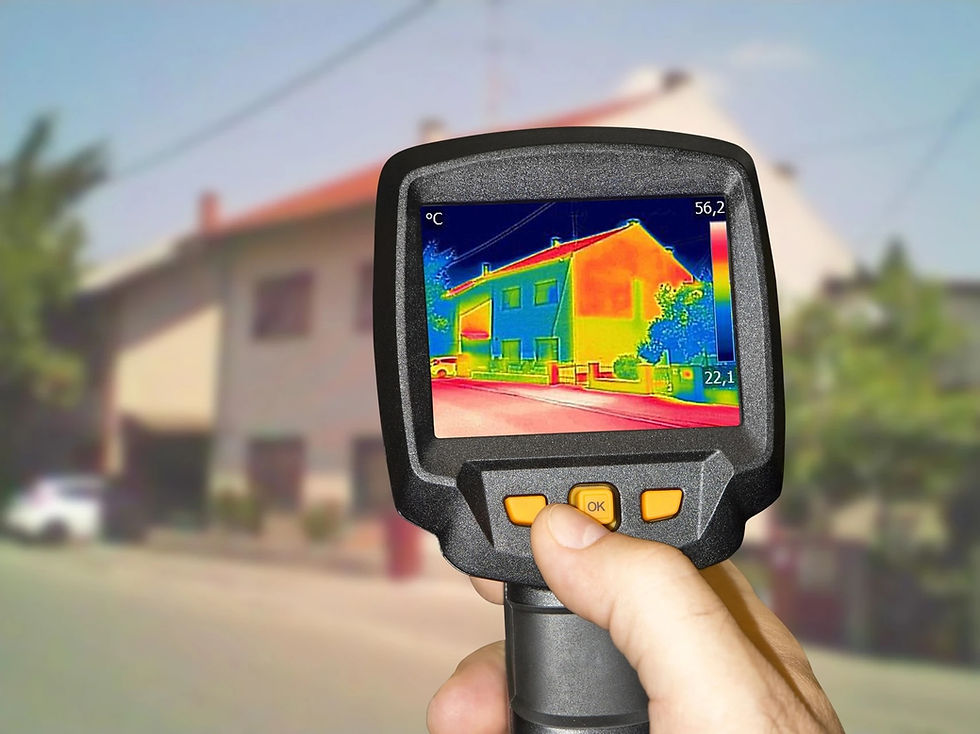
Marine infrared thermography uses thermal imaging cameras to identify abnormal heat patterns in energized shipboard electrical systems.
Infrared inspections help detect:
Loose electrical terminations
Overloaded circuits
Failing breakers
Transformer overheating
Generator issues
Switchboard hot spots
Motor overheating
Because inspections are non-contact and performed while systems are energized, crews can inspect equipment without major operational disruption.
Real-World Maritime Electrical Failures
The maritime industry has experienced multiple high-profile incidents linked to electrical and mechanical failures.
While not all incidents are publicly attributed solely to electrical overheating, investigations frequently identify contributing factors such as:
Electrical equipment failure
Switchboard issues
Generator faults
Fire originating from machinery spaces
Insulation degradation
Examples across the industry have included:
Cruise Ship Engine Room Fires
Several cruise vessels over the years have experienced engine room fires that caused:
Loss of propulsion
Voyage cancellation
Passenger evacuation challenges
Many maritime fire investigations emphasize the importance of predictive maintenance and thermal inspections for preventing overheating-related failures.
Cargo Vessel Electrical Fires
Cargo ships have also experienced electrical fires tied to:
Overloaded systems
Aging electrical infrastructure
Improper maintenance
Equipment overheating
These failures can result in millions of dollars in cargo losses and operational delays.
Critical Systems That Should Be Thermally Inspected
A professional marine infrared thermography program should include:
1. Main Switchboards
Switchboards distribute electrical power throughout the vessel.
Infrared inspections identify:
Hot bus connections
Overheated breakers
Imbalanced loads
Corroded terminations
2. Generators and Alternators
Generators are mission-critical at sea.
Thermal imaging helps detect:
Bearing overheating
Electrical imbalance
Loose terminations
Cooling system issues
3. Motor Control Centers (MCCs)
MCCs support pumps, HVAC systems, cargo systems, and propulsion support equipment. Infrared scans help identify developing failures before downtime occurs.
4. Emergency Power Systems
Backup systems must operate immediately during emergencies.
Thermal inspections evaluate:
Transfer switches
Emergency panels
Battery systems
Generator connections
5. HVAC and Refrigeration Systems
For cruise ships and refrigerated cargo vessels, HVAC reliability is essential.
Infrared inspections help prevent:
Cooling failures
Refrigeration outages
Passenger discomfort
Cargo spoilage
How Infrared Thermography Prevents Downtime at Sea
Electrical failures rarely occur without warning. Most begin with heat. Infrared inspections allow marine operators to:
✅ Detect problems early ✅ Schedule repairs proactively ✅ Avoid catastrophic failures ✅ Reduce emergency maintenance ✅ Extend equipment life
This supports safer and more reliable vessel operations.
Why Cruise Ships Benefit from Infrared Thermography
Cruise ships operate with:
Thousands of passengers onboard
Hotel-level electrical demand
Continuous HVAC loads
Entertainment systems
Extensive galley operations
Even minor electrical issues can disrupt:
Guest comfort
Safety systems
Voyage schedules
Brand reputation
Infrared thermography for cruise ships helps cruise operators reduce these risks.
Why Cargo Ships Need Thermal Inspections
Cargo vessels depend on uninterrupted operations for:
Navigation systems
Cargo refrigeration
Loading equipment
Fuel systems
Engine support systems
Electrical failures can result in:
Delayed shipments
Lost cargo
Contract penalties
Expensive port repairs
Infrared inspections support operational continuity. Maritime incidents such as the Carnival Splendor engine room fire and the Maersk Honam cargo vessel fire demonstrate how rapidly onboard failures can escalate into major operational emergencies. Many marine investigations emphasize the importance of predictive maintenance, equipment condition monitoring, and early overheating detection to reduce fire and downtime risks.
Marine Infrared Thermography and Compliance
Thermal inspections support broader maritime safety and maintenance programs by helping operators:
Improve preventative maintenance
Reduce fire risk
Document equipment condition
Support insurance requirements
Improve operational reliability
Many operators now include thermal imaging as part of routine vessel maintenance programs.
Why Marine Operators Choose Assured NDT
Assured NDT provides:
✅ Certified thermographers ✅ Electrical system expertise ✅ Detailed thermal reporting ✅ Flexible inspection scheduling ✅ Experience with critical infrastructure environments
We help operators reduce risk before failures occur.
Protect Your Vessel Before Problems Escalate
Electrical failures at sea are expensive—and often preventable.
Contact Assured NDT to schedule a marine infrared thermography inspection.
FAQs: Marine Infrared Thermography
1. What is marine infrared thermography?
Marine infrared thermography uses thermal imaging to identify overheating electrical components on ships and marine vessels.
2. Why are infrared inspections important for cruise ships?
They help prevent electrical failures that could impact passenger safety, HVAC systems, propulsion support equipment, and ship operations.
3. What systems should be inspected on cargo vessels?
Switchboards, generators, MCCs, emergency power systems, HVAC systems, and refrigeration equipment.
4. Can infrared inspections reduce fire risk?
Yes. Thermal imaging helps identify overheating electrical components before fires occur.
5. How often should ships perform infrared inspections?
Many operators perform inspections annually or during scheduled maintenance periods.